
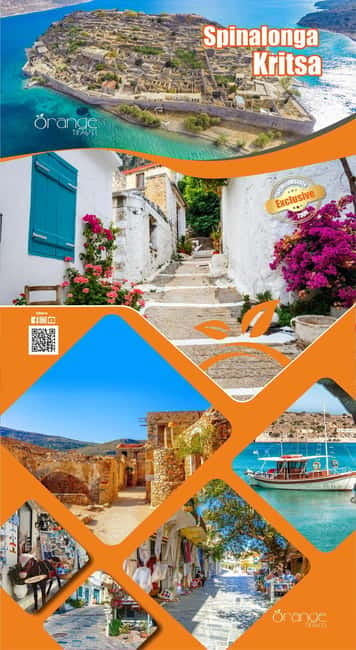
Reviewed · SPINALONGA & AGIOS NIKOLAOS FROM HERAKLION
Heraklion : Spinalonga Island & Kritsa Village Half-Day Tour
You’ll feel time shift at Spinalonga. This tour pairs Spinalonga’s Venetian fortress with the lacework village of Kritsa, plus an olive oil stop, all in one smooth day from Elounda. The route is built around real places you can walk at your own pace, with guided help where it counts.
I especially like the way Spinalonga is handled: you get a self-guided walk through the island’s old market area, alleys, and ruins after the boat lands. I also like that Kritsa isn’t just a photo stop—there’s a guided visit and shopping time focused on the local textile craft and lacework. One thing to plan for: the schedule is compact, the village is steep, and the tour is not designed for wheelchair users or people with mobility issues.
In This Review
- Key Highlights You’ll Actually Notice
- Spinalonga and Kritsa: The Best Reason to Go All the Way to East Crete
- Getting to Elounda and the Boat Over: Simple, Scenic, and Timed Right
- Spinalonga Island: Venetian Walls, Leper Colony Ruins, and Your Own Walking Time
- What you do on the island
- The big practical note
- Back to Elounda and the Transfer to Kritsa: The Time Gap That Matters
- Kritsa Village: Steep Lanes, Lacework Craft, Coffee and Shopping
- The craft you’ll see (and what to look for)
- Nearby sights you may notice
- Olive Oil Park Stop: Bottling, Photos, and What Biological Options Actually Mean
- Time, Pace, and What to Bring for a 7-Hour Day
- Price and Value: What Your $50.80 Really Buys
- Who Should Book This Tour (and Who Might Skip It)
- Should You Book This Tour or Skip It?
- FAQ
- How long is the Heraklion: Spinalonga Island & Kritsa Village Half-Day Tour?
- Where does the tour start?
- Is pickup included?
- How do you get to Spinalonga Island?
- How long do you spend at Spinalonga?
- Is the Spinalonga entry fee included?
- What is included for lunch?
- What do you do in Kritsa Village?
- Is the olive oil stop included?
- Is the tour wheelchair accessible?
Key Highlights You’ll Actually Notice
- Venetian fortress walls from 1579 with a defense story that’s easy to follow as you walk.
- Spinalonga’s leper-colony layout you can explore on your own, including the old market street area.
- Kritsa lace and embroidery—tablecloths, handmade cloths, and the real “how they do it” vibe.
- A full 1-hour slot in Kritsa with free time for coffee, snacks, photos, and shopping.
- Olive oil bottling and biological options at a short factory visit with a guided olive tour.
More Spinalonga and Agios Nikolaos day trips out of Heraklion
- Day Trip to Agios Nikolaos and Spinalonga Island★ 4.5 · 413 reviews
- Crete: Spinalonga, Agios Nikolaos and Elounda with BBQ Lunch★ 4.4 · 361 reviews
- Cruise to Spinalonga, Kolokytha Bay & Agios Nikolaos with Lunch★ 4.0 · 106 reviews
- Heraklion: Spinalonga, Agios Nikolaos, & Elounda Boat Tour★ 4.0 · 63 reviews
Spinalonga and Kritsa: The Best Reason to Go All the Way to East Crete
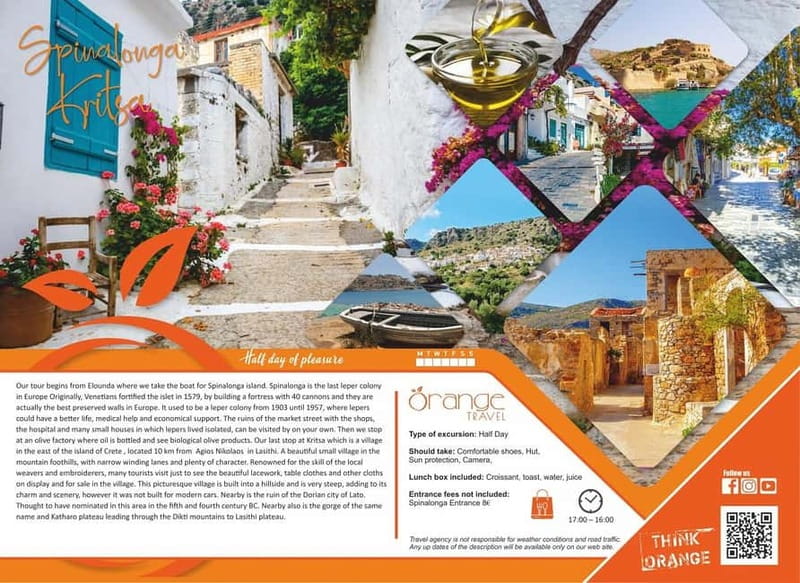
If you’re staying in Crete’s Heraklion area, it’s tempting to only do the most obvious sites. This trip is different because it moves you to eastern Crete: Elounda first, then Spinalonga, then up to Kritsa near the Lasithi region. That change of geography matters. You’ll trade coastal crowds for a mix of island ruins and mountain village streets.
The other smart choice is the pairing. Spinalonga gives you a clear, dramatic “place in history” experience—fortifications, isolation, and the ruins of daily life. Kritsa then balances it with something lighter and hands-on: craft, lacework, and small-lane wandering. You’re not stuck in one mood for seven hours.
Getting to Elounda and the Boat Over: Simple, Scenic, and Timed Right
Your day starts with pickup from a long list of main roads and predesignated stops across the north coast (Sissi, Malia, Stalis, Hersonissos, Gouves, Kokkini Chani, Karteros, and more). One important note for where you’ll be staying: the tour does not provide pickup points from the Heraklion region.
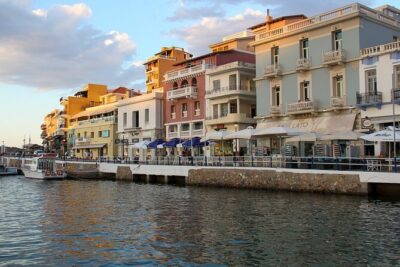
Once you’re on the bus, you’ll ride toward Elounda. Expect a short photo stop on the way, and then the group transitions to the water transport. The boat ride to Spinalonga is brief, but it’s part of the experience. You arrive with the island already doing its job visually—fortress walls, stone structures, and a sense of separation you can feel before you even step onto the paths.
Spinalonga Island: Venetian Walls, Leper Colony Ruins, and Your Own Walking Time
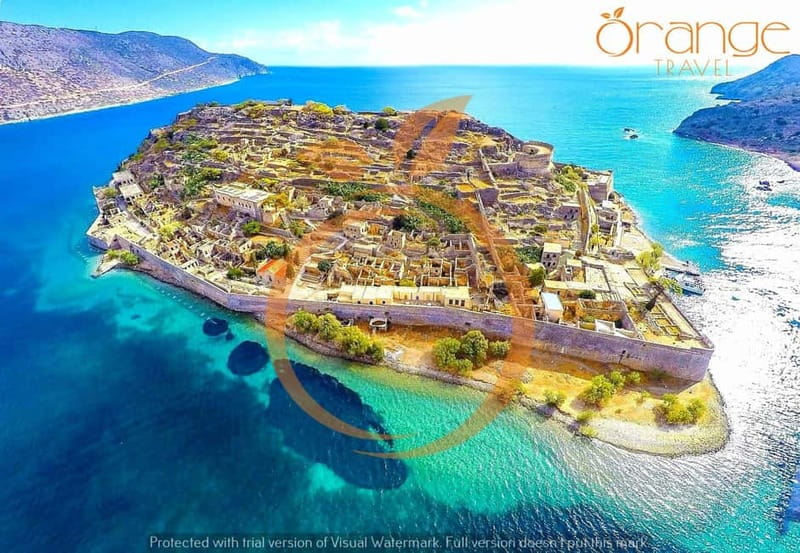
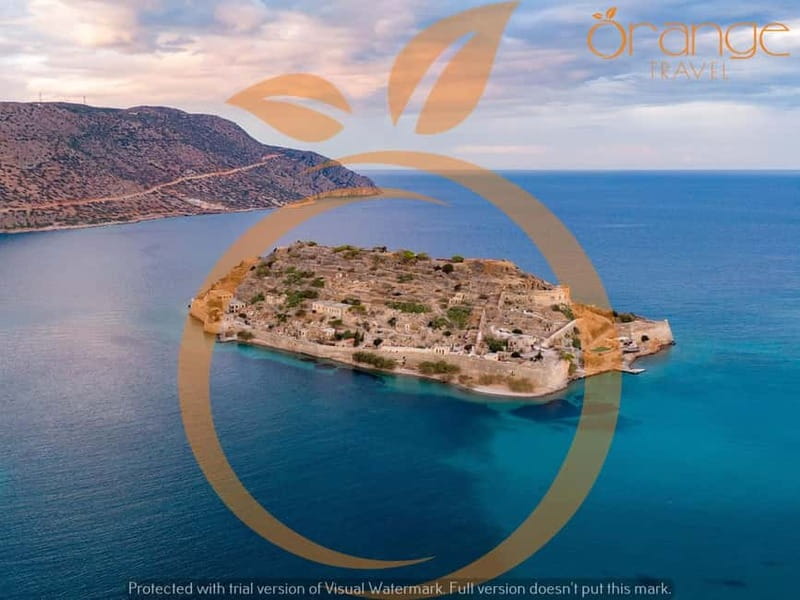
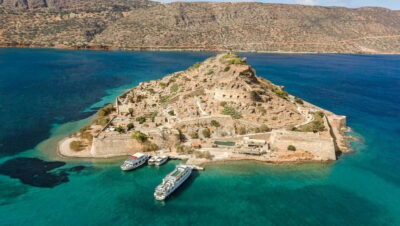
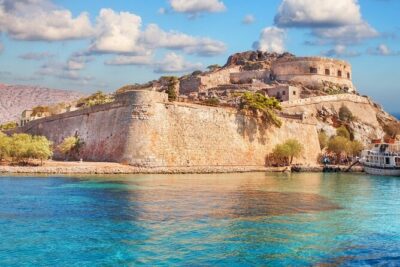
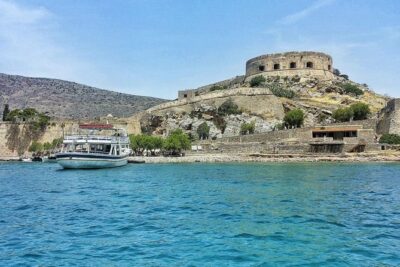
Spinalonga is the star of the day, and it’s not just because it looks dramatic. The core story is clear: Venetians fortified the island in 1579, building a fortress and installing 40 cannons. The walls are described as among the best preserved in Europe, and you’ll notice that while walking because the fortifications don’t feel like “random ruins.” They feel like a system designed for defense.
Then there’s the later chapter—Spinalonga functioned as the last leper colony in Europe, from 1903 until 1957. The result is a place where two different kinds of architecture sit side by side: what was built to control and protect, and what later existed for an isolated community life.
What you do on the island
You’ll have about 75 minutes for a self-guided visit. That’s enough time to do real wandering without rushing, especially since you’re not forced into a full tour route every minute.
Here’s how to use your time well:
- Start by orienting yourself with the fortress walls and the main ruin areas—this helps the layout make sense.
- Then head toward the old market street zone, where you can see the ruins of shops, the hospital area, and many small houses where residents lived in isolation.
- Slow down in the alleys. The island can feel like it has layers, and the best moments come from turning a corner and realizing you’re still inside a historical layout.
A handful more Heraklion trips we reckon are worth your time
The big practical note
There’s an entry fee of €20 per person not included in the tour price. I like that the schedule gives you time to enjoy the island, but you’ll still want cash or a payment method ready for admission.
Back to Elounda and the Transfer to Kritsa: The Time Gap That Matters
After Spinalonga, you return by short boat ride to Elounda. The transport continues with bus travel toward Kritsa, including a brief scenic pass along the way. This is one of those “good breaks” in the day because it gives your legs a chance to reset before you tackle the village.
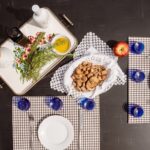
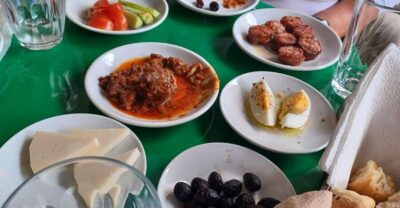
Lunch is handled with a prepacked lunch box during the tour (you’ll receive a bottle of water, an orange juice, a praline croissant, and a toast with cheese and turkey). If you request a vegetarian version, the only change is the toast becomes two croissants. You’re not getting hot plated food here, so think of it as fuel that keeps the day moving.
Kritsa Village: Steep Lanes, Lacework Craft, Coffee and Shopping
Kritsa is located in the Lasithi region area, near the mountains—about 10 km from Agios Nikolaos. It’s described as a small village at the foot of the hills, with narrow winding lanes and lots of character. The craft focus is the main reason to go: Kritsa is renowned for weavers and embroiderers, especially lacework.
The village sits on a hillside, and yes, it’s steep. That’s part of the charm, but it also means you’ll want comfortable shoes and a realistic pace. If your plan is “wander slowly and stop often,” Kritsa is great. If your plan is “I can do only flat ground,” you may find the incline challenging.
The craft you’ll see (and what to look for)
You’ll have about an hour in Kritsa with a guided visit plus free time. During that time you’ll likely see displayed lacework items like table clothes and other handmade textiles available for sale in the village.
If you’re shopping, treat Kritsa like a craft conversation rather than a bargain hunt:
- Look closely at the lace patterns and finishing—handmade work tends to be obvious when you’re not in a hurry.
- Ask questions if you can. Even if your language skills are limited, people often explain materials and processes when they’re used to visitors.
- Buy one meaningful item rather than five “just because it’s pretty” souvenirs.
Nearby sights you may notice
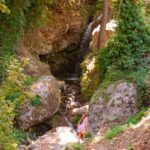
Kritsa is also close to the ruins of the Dorian city of Lato, thought to have been nominated in the 5th and 4th century BC. The gorge of Kritsa (Katharo Gorge) runs through the Dikti Mountains toward the Lasithi Plateau. You won’t necessarily walk the gorge on this exact half-day style flow, but the area’s geography is part of why the village feels so “in place.”
Olive Oil Park Stop: Bottling, Photos, and What Biological Options Actually Mean
Before you head back to your hotel drop-off, there’s a short olive oil visit at Olive Oil Park by Physis of Crete. You’ll get a guided olive tour and free time, with time for photos along the way. This is not a long museum stop; it’s designed to be practical and quick.
What’s valuable here is the focus on process: you’ll see how olive oil is bottled and you can explore options of biological olive oil products. The “biological” wording matches what’s provided in the tour details, and it signals that you may see organic-style choices in the shop section.
If you like food souvenirs, this stop makes more sense than buying olive oil at a random supermarket. It’s one of the only moments in the day where you get a straightforward “how it’s made” experience.
Time, Pace, and What to Bring for a 7-Hour Day
This is a 7-hour tour. That’s long enough to feel like you did something substantial, but short enough that you won’t lose a whole day. The rhythm is: bus transfer → short Elounda boat segment → Spinalonga self-guided walk → Kritsa guided + free time → olive oil factory → return transfers.
You’ll also want to pack for heat and walking. Bring:
- Comfortable shoes and closed-toe footwear
- Sun hat and sunscreen (the tour specifically mentions biodegradable sunscreen)
- Camera
- Cash for Spinalonga entry (€20) and any craft purchases
Avoid high-heeled shoes, pets, smoking in the vehicle, and anything that doesn’t align with the tour rules (no bare feet; and it also notes restrictions for wheelchairs/strollers). Also keep in mind the tour is not suitable for wheelchair users or people with mobility impairments.
One more helpful thought: Kritsa’s steep lanes plus Spinalonga’s island walking means your shoes matter more than usual. This is not a “flip-flops and attitude” day.
Price and Value: What Your $50.80 Really Buys
At $50.80 per person, you’re paying for the transportation and the structured experience. Included items cover:
- Boat tickets both ways to Spinalonga
- English (and also French/German) guided tour coverage where provided
- Luxury air-conditioned bus transport
- A prepacked lunch box
- Free time in each main destination
The one big add-on is the Spinalonga entry fee (€20 per person), which is not included. When you factor that in, your real spend is closer to “guided day tour plus island admission.” Still, that’s reasonable for what you get: water transport, a substantial island walk, a full craft-focused village visit, and an olive oil stop with a guided element.
Where this tour wins for value is that it doesn’t just drop you off. You get guided context for the island and village, but you still keep time to wander. That mix tends to make the day feel personal instead of rushed.
Who Should Book This Tour (and Who Might Skip It)
This tour is a strong fit if you:
- Want a memorable historical stop like Spinalonga without doing everything by yourself
- Love craft and would rather buy from a place with a real reputation for textiles like Kritsa
- Enjoy food culture and want a short look at olive oil production and bottling
You might skip if:
- You need step-free access. The tour is not suitable for wheelchair users or people with mobility impairments, and Kritsa’s hillside lanes are steep.
- You prefer slow travel with lots of long breaks. This is compact and designed to keep moving.
Should You Book This Tour or Skip It?
I’d book it if your goal is a mixed day: island history, village craft, and a practical olive oil stop—without complicated planning. The big selling points are the self-guided Spinalonga time and the Kritsa craft focus, both of which give you more than a quick photo moment.
If you’re going, do one thing that helps a lot: plan to wear solid shoes and bring cash for the Spinalonga admission. Then enjoy the pacing. You’ll come away with two very different places that still connect through Cretan identity—history on stone, and tradition you can hold in your hands.
FAQ
How long is the Heraklion: Spinalonga Island & Kritsa Village Half-Day Tour?
The duration is listed as 7 hours.
Where does the tour start?
The tour begins from Elounda, where you take the boat to Spinalonga Island.
Is pickup included?
Yes, pickup is included from main roads and predesignated pickup points in areas such as Sissi, Malia, Stalis, Hersonissos, Analipsi, Anissaras, Gouves, Gournes, Kokkini Chani, and Karteros. The tour does not provide pickup points from Heraklion region.
How do you get to Spinalonga Island?
You take a boat from Elounda to Spinalonga, and then a boat back to Elounda.
How long do you spend at Spinalonga?
You get about 75 minutes for sightseeing and a self-guided walk.
Is the Spinalonga entry fee included?
No. The Spinalonga Island entry fee is €20.00 per person and is not included.
What is included for lunch?
Lunch is a prepackaged lunch box with a bottle of water, an orange juice, a praline croissant, and a toast with cheese and turkey. A vegetarian option replaces the toast with two croissants upon request.
What do you do in Kritsa Village?
You get a guided tour plus free time (about 1 hour total) for coffee, shopping, local snacks, and sightseeing of the lacework and textile arts.
Is the olive oil stop included?
Yes. The tour includes a short visit to Olive Oil Park by Physis of Crete with a free olive tour and time for photos and free time.
Is the tour wheelchair accessible?
No. The tour is not suitable for wheelchair users or people with mobility impairments.
More Half-Day in Heraklion
More Tour Reviews in Heraklion
- Heraklion: Dia Island Sailboat Cruise with Swimming and Meal
★ 4.8 · 2,579 reviews - Heraklion Area: CRETAquarium Admission Ticket
★ 4.4 · 2,055 reviews - Crete: Palace of Knossos E-Ticket and Audio Guide
★ 3.8 · 1,540 reviews - Crete: Sunset or Morning Quad with Local Products Tasting
★ 4.9 · 1,135 reviews - 5Hour Safari Tour in Crete(Heraklion)with Quad,Jeep,Buggy & Lunch
★ 5.0 · 941 reviews
More Spinalonga and Agios Nikolaos Days
- Day Trip to Agios Nikolaos and Spinalonga Island
★ 4.5 · 413 reviews - Crete: Spinalonga, Agios Nikolaos and Elounda with BBQ Lunch
★ 4.4 · 361 reviews - Cruise to Spinalonga, Kolokytha Bay & Agios Nikolaos with Lunch
★ 4.0 · 106 reviews - Heraklion: Spinalonga, Agios Nikolaos, & Elounda Boat Tour
★ 4.0 · 63 reviews - From Heraklion: Elounda, Kolokitha, and Spinalonga Boat Trip
★ 3.7 · 56 reviews
Not quite it? Keep exploring what there is to do around Heraklion
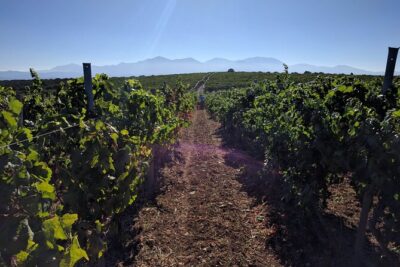
Spinalonga & Agios Nikolaos from Heraklion, compared.
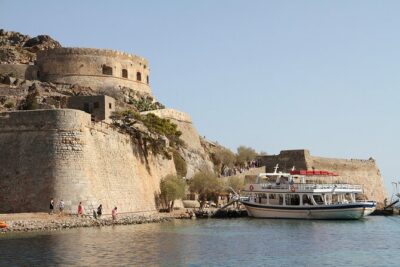 ★ 4.5Day Trip to Agios Nikolaos and Spinalonga IslandFrom $50413 reviews
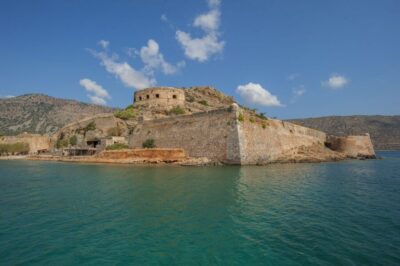 ★ 4.4Spinalonga, Agios Nikolaos and Elounda with BBQ LunchFrom $29361 reviews
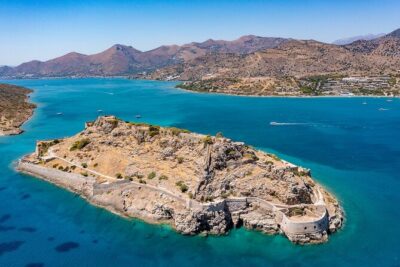 ★ 4.0Cruise to Spinalonga, Kolokytha Bay & Agios Nikolaos with LunchFrom $60106 reviews
 ★ 4.0Spinalonga, Agios Nikolaos, & Elounda Boat TourFrom $2863 reviews
 ★ 3.7Elounda, Kolokitha, and Spinalonga Boat TripFrom $2856 reviews
 ★ 4.5Spinalonga & Agios Nikolaos from Heraklion regionFrom $5242 reviews
 ★ 3.5Spinalonga, Agios Nikolaos , Elounda Boat Tour & BBQFrom $3832 reviews
 ★ 4.5Crete Elounda and Spinalonga Island Cruise Day TripFrom $4822 reviews
Browse the lists this tour appears in