
Reviewed · CRETAN COOKING LESSONS
Food Tour in Heraklion – Discover Cretan Flavors
Food has its own map in Heraklion. This 4-hour Cretan food tour mixes tastings with landmarks so you understand what you’re eating and where it fits in city life. You get a small-group format that makes it easier to ask questions as you walk.
My favorite part is the run of authentic tastings—bougatsa with strong Greek coffee, local honey, traditional sweets, and Cretan hospitality at the end. I also like the hands-on cultural stop, where you learn about stivania, the leather shepherd boots tied to everyday Crete.
One drawback to plan for: sound can be tricky outside in busy areas, and you may not always hear every detail unless the guide uses a microphone or you stay close.
In This Review
- Key highlights worth planning around
- How this 4-hour Heraklion food walk really feels
- Starting at Heraklion Archaeological Museum: the best first move
- Plateia Eleftherias to the Venetian harbor: landmarks with meaning
- The first real tastings: bougatsa, honey, and coffee
- Churches, courtyards, and street stops: why they matter on a food tour
- Central Market time: colors, aromas, and local products
- Stivania workshop: craft you can understand in minutes
- Rocca a Mare Fortress and the “breather” moments
- The Pastry History Museum: a fitting end to a food-focused day
- Price and value: is $106 per person worth it?
- Group size, pace, and the one sound issue to think about
- Who this tour suits best (and who might want something else)
- Should you book this Heraklion food tour?
- FAQ
- FAQ
- Where does the food tour in Heraklion start?
- How long is the tour?
- What’s included in the food and drink tastings?
- Do you visit markets and traditional workshops?
- Which landmarks are part of the walking route?
- Is the tour language English?
- What do I need to bring?
- Is it a small group?
- What’s the cancellation policy?
- How much does it cost?
Key highlights worth planning around
- Bougatsa + Greek coffee kicks things off fast, before you even hit the main sights
- Local honey and sweets are chosen to explain what Crete produces (not just what tastes good)
- Stivania workshop visit adds culture through craft, not only food
- Churches and market streets turn sightseeing into a story about daily life in Heraklion
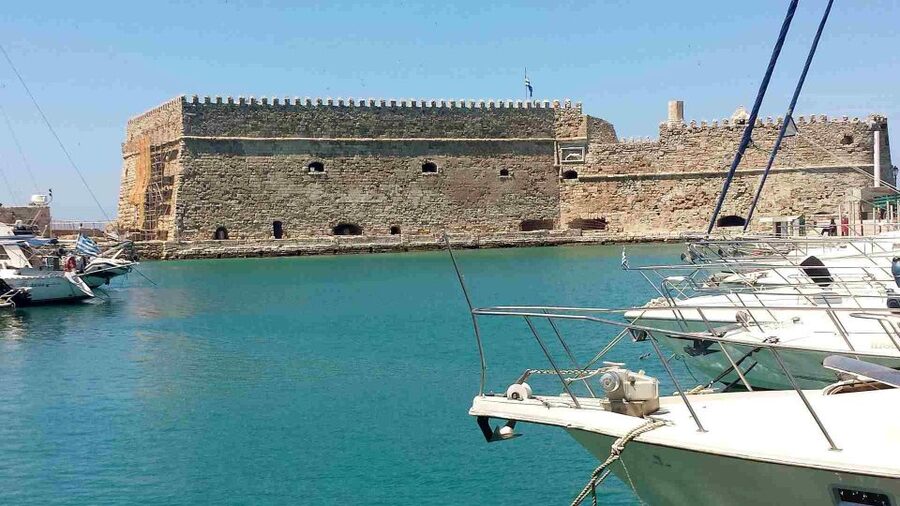
- Old Venetian Harbor landmarks (including Koules Fortress) help you connect food to history
- Finish at the Pastry History Museum for a satisfying last stop that fits the theme
Hands in the dough? More Cretan cooking classes near Heraklion
- Full-Day Jeep Safari Tour with Cooking Lesson★ 5.0 · 284 reviews
- Crete: Olive Oil, Soap, Wine, Raki – Flavorful Culinary Journey★ 5.0 · 119 reviews
- Crete: Olive, Wine, & Raki on a Flavorful Culinary Journey★ 4.7 · 56 reviews
- Heraklion Private Cretan Cooking Class at a Traditional Village★ 4.5 · 11 reviews
How this 4-hour Heraklion food walk really feels
This tour is built like a smart loop: start central, walk through key areas, eat along the way, and end with a final food-focused cultural stop. At 4 hours, it’s long enough to feel like a real “day in the city,” but short enough that you’re not done by lunchtime and still have energy for the rest of Heraklion.
The pacing is generally brisk, and that’s a plus if you like momentum. One thing to watch: it’s a walking tour, so comfortable shoes matter, and you’ll want to eat at the stops when offered rather than saving everything for later.
You’ll also notice the tour tries to connect the dots. Instead of only naming dishes, you get context on traditions and local life as you pass through the market and historic areas. That makes the tastings feel earned.
Starting at Heraklion Archaeological Museum: the best first move
The experience begins outside the Heraklion Archaeological Museum, with the meeting point at the statue in the square. This is convenient because it puts you in the city center right away, and it’s easy to anchor your bearings.
From there, the route heads toward Plateia Eleftherias. Even if you’re not a history expert, you’ll get a sense of where people gather and how Heraklion flows on foot. Then you move through Dedalou for a photo stop and guided walking time, which helps you get a feel for street layout and neighborhoods before the heavier sightseeing kicks in.
If you’re the type who likes to know what you’re seeing, this early segment helps. It sets the tone: you’re not just eating snacks—you’re learning how local food culture sits inside the city.
Plateia Eleftherias to the Venetian harbor: landmarks with meaning
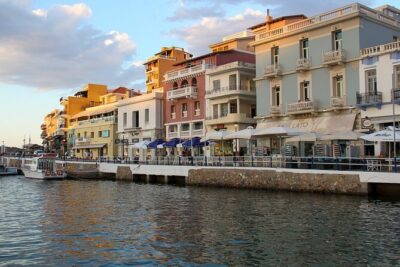
After the initial square and street walking, you’ll work your way toward the Old Venetian Harbor area. Expect to see the Koules Fortress (Castello del Molo), a major piece of the waterfront story. Standing by the harbor gives you a real sense of why this part of the city mattered to trade and travel.
You’ll also walk through the Venetian Harbor, where today’s life sits right alongside the historic framework. This matters for food tours because ports and trading routes tend to shape what gets cooked and sold. You’re not expected to memorize a timeline, but you’ll notice how the tour uses landmarks to explain everyday culture.
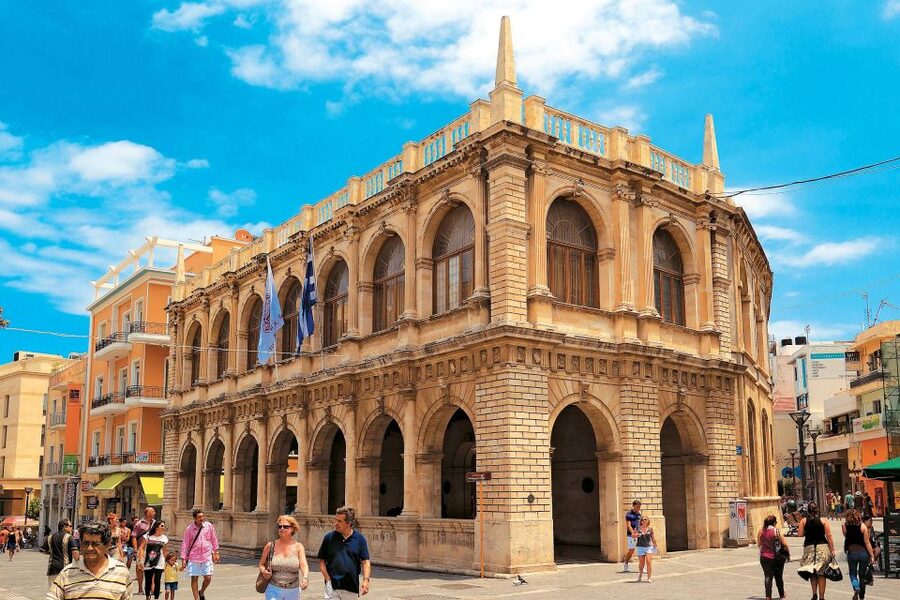
Next comes the Morosini Lions Fountain for a photo stop, then the Venetian Loggia. These stops are quick, but they’re strategically placed so you’re not just trudging from meal to meal. You’ll get a few minutes to look up, notice details, and tie them back to the city’s mix of influences.
The first real tastings: bougatsa, honey, and coffee
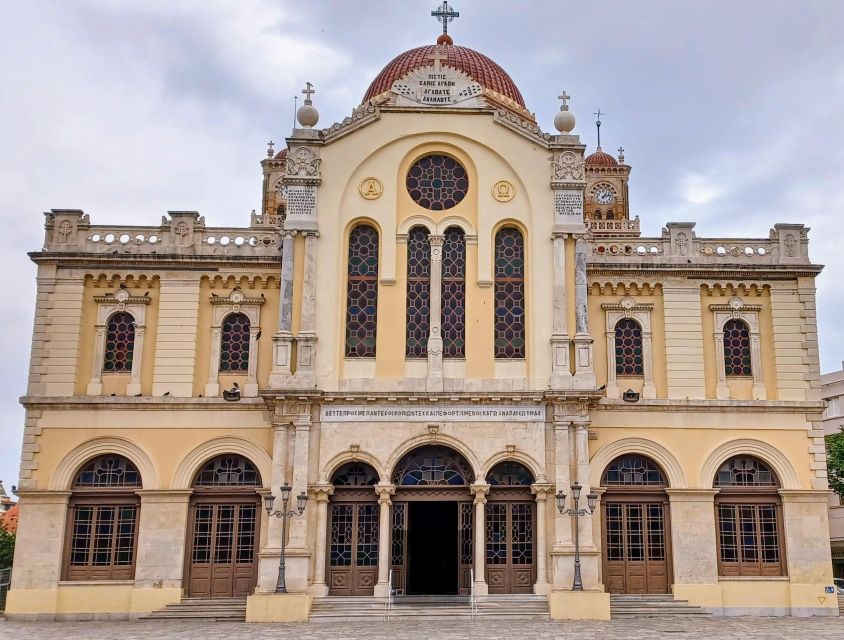
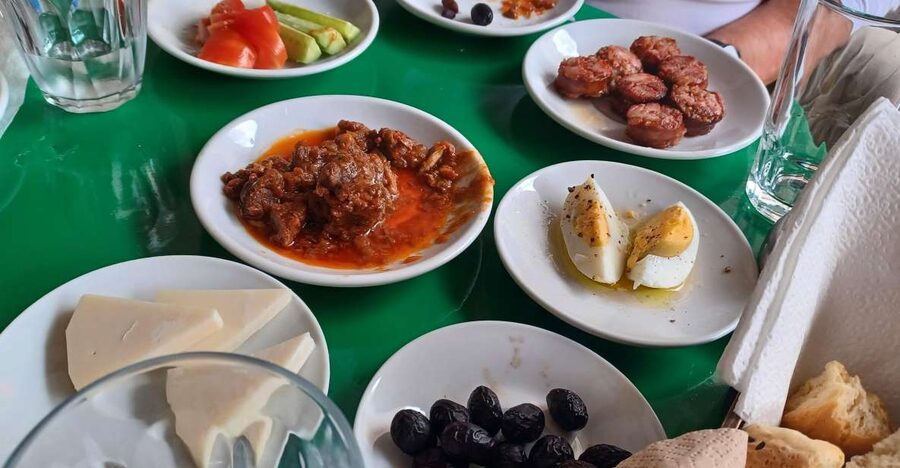
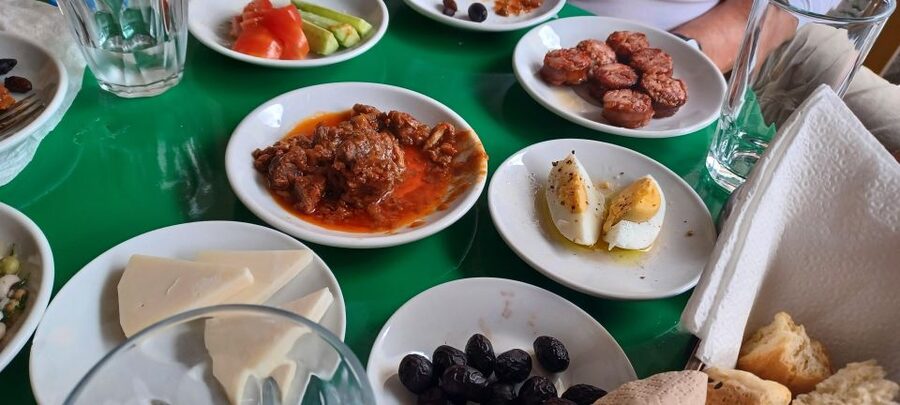
The tour’s food engine starts early with bougatsa, paired with strong Greek coffee. This combination is a classic for a reason: warm pastry plus bold coffee helps you settle into the day and keeps hunger under control without slowing you down.
After that, you’ll sample premium local honey and traditional Cretan sweets. This part is more than dessert time. The tour uses these tastes to point out how Crete’s food identity leans on simple, quality ingredients—especially things you can trace back to local production.
You’ll likely notice the tour doesn’t overdo one category. You’re not stuck only with pastries, and you’re not stuck only with savory food either. That balance keeps it enjoyable even if you’re not the biggest sweets person.
Follow your nose, more Heraklion food tastings and market walks
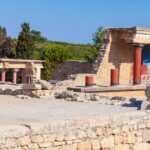
Churches, courtyards, and street stops: why they matter on a food tour
You’ll pass major religious and historic landmarks, including the Cathedral of Agios Minas and the Church of Agios Titos. These stops can be “just pretty” on other tours, but here they’re part of the same story as the market.
Along the way, you’ll also have photo and guided time at spots like 25th Avgoustou 17. The point isn’t that one address is famous worldwide; it’s that the tour uses specific local locations to show how daily life happens around older buildings.
There’s also a stop at Βασιλική Αγίου Μάρκου (St. Mark’s Basilica). Even if you only spend a short time there, it adds texture to the walk. It’s another reminder that Heraklion’s food culture isn’t floating in space—it’s tied to a city where people have lived, traded, celebrated, and organized community life for a long time.
Central Market time: colors, aromas, and local products
One of the most practical stops is the Central Market in Heraklion. This is where food tours work best: you see what’s for sale and you get a sense of what locals cook with and buy regularly.
The guide’s job here is important. Market wandering without context can feel like a sensory overload. With a local food expert pacing you through, you’ll know what to look for and why certain items matter.
This is also where your earlier tastings start making more sense. If bougatsa and sweets taught you about flavor traditions, the market helps you connect those traditions to what’s actually available in real life.
Stivania workshop: craft you can understand in minutes
One of the most memorable culture stops is the visit to a family-run workshop focused on stivania, traditional leather shepherd boots. You don’t just hear about the boots—you learn about the handmade process and why this footwear is culturally important.
This is the kind of stop that pays off later. After you see the leather craft, you’ll have a better sense of how Crete’s identity is built from practical work, not only from food and festivals.
It also breaks up the day nicely. If you’ve been eating and walking for a while, craft time gives your brain a different job for a bit: watch the process, ask questions, and absorb how tradition lives through work.
Rocca a Mare Fortress and the “breather” moments
Midway through, you’ll reach Rocca a Mare Fortress. There’s a break time there, plus photo and sightseeing time. This is a good setup because you’re not just walking continuously for four hours; you get a chance to reset.
Fortress views help you get the city’s shape in your head. Even if you don’t go into full detail about the structure, the height and position make it easier to understand why the port and surrounding areas matter.
This stop also gives you a practical tip: if you’re the sort of person who gets distracted by scenery, this is a good place to pause, check your water status (if you’re carrying any), and re-focus before the last food moments.
The Pastry History Museum: a fitting end to a food-focused day
The tour finishes at the Pastry History Museum, with a guided visit and a photo stop before you wrap up. Ending here makes sense because the day already leaned heavily into sweets and pastry culture—bougatsa was the opening clue, and the final stop brings it into sharper focus.
If you enjoy learning about food through stories, this ending feels satisfying. It turns the last bites into something you can remember, not just taste and forget.
And since you’re still in the city center when it ends, you’re well placed to keep exploring afterward—whether that means grabbing a casual drink nearby or heading back out to browse the streets you just walked.
Price and value: is $106 per person worth it?
At $106 per person for a 4-hour guided walking tour, you’re paying for three things at once: guidance, multiple tastings, and access to places that support the theme (market time, workshop, and the pastry museum).
Here’s how I judge it for value:
- If you were to try tasting all the items on your own, you’d still need a route and someone to explain what you’re eating.
- The tour combines landmark stops with food so you don’t feel like you’re paying only for snacks.
- The craft workshop and pastry museum add “experience value,” not just edible value.
It’s not a budget snack crawl. But it does feel like a focused, structured way to get a lot of Heraklion into one afternoon without turning it into a DIY puzzle.
Group size, pace, and the one sound issue to think about
This tour is advertised as small group, and that helps in two ways: you’re not being rushed by a huge crowd, and you get more chance to catch explanations. The downside is that there are still outdoor segments where sound can get swallowed by street noise.
One practical note from experience on similar city walks: if you’re picky about hearing every detail, plan to stay closer to the guide during the noisiest market and harbor sections. And if the guide doesn’t use a microphone, you may only catch parts of the commentary.
If you’re the person who hates missing context, consider arriving ready to listen when the group slows down. When you pause near a landmark or inside a quieter spot, the stories usually come through better.
Who this tour suits best (and who might want something else)
This tour is a strong pick for you if you want to:
- Eat your way through Cretan flavors in a structured, low-stress route
- See key Heraklion sights like the Agios Minas Cathedral area and the Venetian Loggia
- Learn how local craft ties into food culture, especially through stivania
It’s less ideal if you want a slow, sit-down-only food day with minimal walking. You’ll be on your feet, and tastings are part of the “move and learn” rhythm.
It also fits solo travelers and couples well, because the guide format supports questions and conversation. If you’re traveling with a group that dislikes walking, you might look for a different style of tour.
Should you book this Heraklion food tour?
Book it if you want one afternoon that mixes tastings, market viewing, historic landmarks, and a craft stop—all tied into a single flow. The route is set up so you’re eating while the city is explaining itself, and the ending at the Pastry History Museum gives the theme a clean close.
Pass or compare if you’re sensitive to walking time or you only want one type of food. This tour spreads tastings across sweet, coffee, honey, and classic meal-style experiences like meze (with Cretan hospitality, including raki as part of the tasting theme).
FAQ
FAQ
Where does the food tour in Heraklion start?
It starts outside the Heraklion Archaeological Museum, meeting at the statue in the square.
How long is the tour?
The tour runs for 4 hours.
What’s included in the food and drink tastings?
The tour includes multiple food and drink tastings, including traditional items like bougatsa, Greek coffee, local honey, Cretan sweets, and Cretan meze with raki as part of the tasting experience.
Do you visit markets and traditional workshops?
Yes. You’ll visit the Central Market and also go to a family-run workshop where you learn about stivania leather boots.
Which landmarks are part of the walking route?
You can expect stops for photos and guided time at places such as Koules Fortress (Castello del Molo), the Venetian Loggia, Agios Titos Church, and Agios Minas Cathedral, plus the Rocca a Mare Fortress.
Is the tour language English?
Yes, it’s hosted by an English-speaking local host.
What do I need to bring?
Wear comfortable shoes since it’s a walking tour.
Is it a small group?
The experience is designed as a small group, so you get a more personal feel on the walk.
What’s the cancellation policy?
You can cancel up to 24 hours in advance for a full refund.
How much does it cost?
The price listed is $106 per person.
If you tell me your travel dates and whether you prefer sweet-heavy or savory-heavy tours, I can help you decide if this one matches your style.
More Tour Reviews in Heraklion
- Heraklion: Dia Island Sailboat Cruise with Swimming and Meal
★ 4.8 · 2,579 reviews - Heraklion Area: CRETAquarium Admission Ticket
★ 4.4 · 2,055 reviews - Crete: Palace of Knossos E-Ticket and Audio Guide
★ 3.8 · 1,540 reviews - Crete: Sunset or Morning Quad with Local Products Tasting
★ 4.9 · 1,135 reviews - 5Hour Safari Tour in Crete(Heraklion)with Quad,Jeep,Buggy & Lunch
★ 5.0 · 941 reviews
More Heraklion Food and Market Walks
- Crete: Knossos, Lasithi, Lasinthos and Olive Farm Combo Tour
★ 4.5 · 351 reviews - Heraklion: E-Bike Food Tour – Discover the Flavors of Crete
★ 5.0 · 106 reviews - Road-trip to Lasithi, Zeus Cave, Vidiani, Krasi & Olive Mill Farm
★ 4.0 · 79 reviews - Knossos, Lasithi, Zeus Cave & Olive Mill Farm Combo Tour
★ 4.5 · 46 reviews - Private Traditional Olive Grove and Dragon Fruit Farm Tour
★ 5.0 · 29 reviews
Back in the Kitchen: More Classes
- Full-Day Jeep Safari Tour with Cooking Lesson
★ 5.0 · 284 reviews - Crete: Olive Oil, Soap, Wine, Raki – Flavorful Culinary Journey
★ 5.0 · 119 reviews - Crete: Olive, Wine, & Raki on a Flavorful Culinary Journey
★ 4.7 · 56 reviews - Heraklion Private Cretan Cooking Class at a Traditional Village
★ 4.5 · 11 reviews - Cretan Flavors – Cooking Lessons and Wine Olive Oil Tasting
★ 5.0 · 9 reviews
Not quite it? Keep exploring what there is to do around Heraklion
Cretan Cooking Lessons, compared.
 ★ 5.0Full-Day Jeep Safari Tour with Cooking LessonFrom $111284 reviews
 ★ 5.0Olive Oil, Soap, Wine, Raki – Flavorful Culinary JourneyFrom $111119 reviews
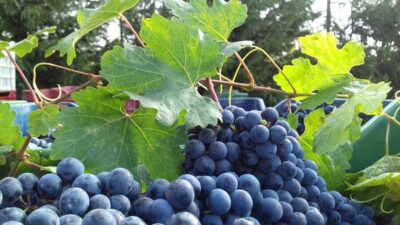 ★ 4.7Olive, Wine, & Raki on a Flavorful Culinary JourneyFrom $12656 reviews
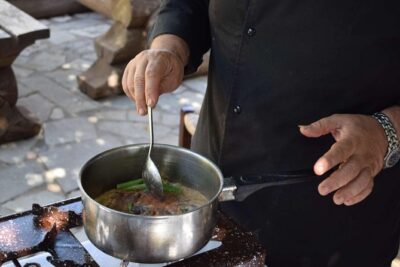 ★ 4.5Heraklion Private Cretan Cooking Class at a Traditional VillageFrom $31311 reviews
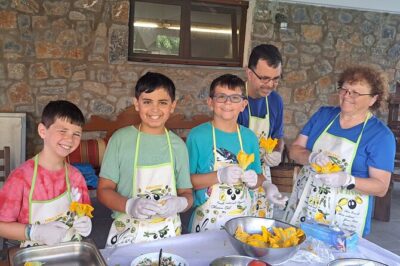 ★ 5.0Cretan Flavors – Cooking Lessons and Wine Olive Oil TastingFrom $1879 reviews
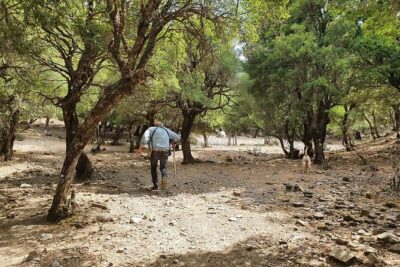 ★ 5.0Truffle Hunting, Culinary & Wine Celebration from Heraklion6 reviews
 ★ 4.8Special Cretan Cooking Class at Archanes (Transfer Optional)From $786 reviews
Browse the lists this tour appears in