
Reviewed · ZEUS CAVE & THE LASITHI PLATEAU
Lasithi – Zeus Cave -Olive Oil Factory – Traditional Villages
Expect myth and olive oil in one day.
This small-group Crete excursion strings together the practical (olive oil tastings), the peaceful (Kera monastery), and the storybook (the Zeus Cave on the Lasithi Plateau). You ride out of Heraklion, stop often enough to keep the day lively, and come back with a real sense of how people live and believe on the island.
I love two things most: first, the Vassilakis olive tour where you see how the oil is made now and in the past, then taste it with a clearer sense of what you are actually tasting. Second, the lunch break in Agios Georgios at about 850 meters—food included, plus time to browse local craft shops before you roll on.
One thing to plan for: the entrance fee for Dikteon Cave is not included (it’s listed as €6 per person), and the day depends on weather since mountain routes and viewpoints can change plans.
In This Review
- Key highlights you’ll feel during the day
- Why this Lasithi route is more than a checklist
- Pickup at 9:00 and why the small-group format matters
- Vassilakis Estate Olive Tour Crete: groves, the mill, and tasting with context
- Kera Kardiotissa Monastery: a 45-minute breather with frescoes
- Dikteon Cave (Zeus Cave) plus the Lasithi windmills: myth, then air and views
- Agios Georgios at 850 meters: lunch that anchors the day
- Krasi’s plane tree: a short stop with a big sense of time
- How the tour feels in real life (especially with guide George)
- Price and value: why the math works here
- Who should book this tour
- Quick tips to make the day smoother
- Should you book it?
- FAQ
- How long is the tour?
- What time does the tour start?
- Is pickup included?
- How big is the group?
- What language is the guide?
- Is lunch included?
- Do I need to pay an entrance fee at Zeus Cave?
- What if the weather is bad?
- Is there onboard comfort like WiFi or water?
Key highlights you’ll feel during the day
- Vassilakis olive tour + tasting: learn the full olive-to-oil story, then sample what the mill produces.
- Kera Kardiotissa Monastery: a short, calming stop with centuries of religious tradition and frescoes.
- Zeus Cave on the Lasithi Plateau: myth location visit timed with a scenic stop for the windmills.
- Agios Georgios lunch at altitude: included lunch in a natural park setting around 850 meters.
- Krasi plane tree: a mind-bending pause to see a massive tree tied to a 100-years-per-meter legend.
Up to the mountains: more Lasithi and Zeus Cave days from Heraklion
- Knossos-Zeus Cave -Old Traditional Villages-Olive Oil Factory★ 5.0 · 694 reviews
- Crete: Knossos, Lasithi, Lasinthos and Olive Farm Combo Tour★ 4.5 · 351 reviews
- Knossos & Lasithi Plateau: Zeus Cave,Villages, Olive Oil Tour★ 5.0 · 328 reviews
- Private Full-Day Knossos-Lasithi Plateau-Cave of Zeus★ 5.0 · 176 reviews
Why this Lasithi route is more than a checklist
I like tours that mix categories, and this one does. You are not just seeing one theme (like only caves, only churches, or only views). Instead, you get a day that moves from food craft (olive oil) to spiritual art (monastery frescoes) to myth geography (Zeus Cave), with village time and a big outdoor “wow” moment.
It also helps that the format is compact: small group, guided throughout, with a driver who keeps the flow smooth. When you have limited time on Crete—especially if you’re based near Heraklion—this kind of route gives you a lot without feeling like you’re constantly running.
Pickup at 9:00 and why the small-group format matters
The day starts at 9:00 am, with pickup from your hotel lobby. You ride in an air-conditioned vehicle, and you get bottled water plus WiFi onboard—small comforts that matter when you’re spending 6 to 7 hours on the road.
The group is capped at 8 travelers, and the guide is an English-speaking driver guide. That sounds simple, but it changes the vibe: you’re more likely to hear explanations clearly, ask questions, and have your timing adjusted when conditions are rough.
In particular, one highlight from the experience is the way the guide handled real-world weather. When the day turned cold and rainy, George helped tweak the plan so the outing stayed worthwhile—even swapping a closed cave visit for another major stop (Knossos Place) when needed.
Vassilakis Estate Olive Tour Crete: groves, the mill, and tasting with context
This is your first stop: Vassilakis Estate – Olive Tour Crete, scheduled for about 1 hour. You’ll tour olive groves and then head into the facilities to learn how olive oil production works today—and how it used to work.
What I like about starting here is that it sets a baseline for the whole day. Crete’s landscape and culture make more sense when you understand what people are producing and selling, and why olives matter beyond the taste. You’re not just eating something later—you’re learning the logic behind it.
You also get an olive oil tasting as part of the experience. Even if you think you already know olive oil, I’d expect this to recalibrate your palate. The tour gives you the story, and the tasting turns the story into something you can notice: differences in flavor, body, and how the oil finishes.
Kera Kardiotissa Monastery: a 45-minute breather with frescoes
Next up is the Kera Kardiotissa Monastery, around 45 minutes. This is one of those stops that works best when you don’t rush it. It’s described as the spiritual heart of Crete, and the draw is the centuries-old religious tradition and frescoes.
If you’ve been moving fast around Heraklion, this is a helpful pause. You get indoor/cultural time, quiet, and a different kind of “wow” that doesn’t depend on weather. And since the monastery admission is listed as included, you can just focus on the art and the mood.
Thirsty work: more wine, raki and olive-oil tastings around Heraklion


Dikteon Cave (Zeus Cave) plus the Lasithi windmills: myth, then air and views
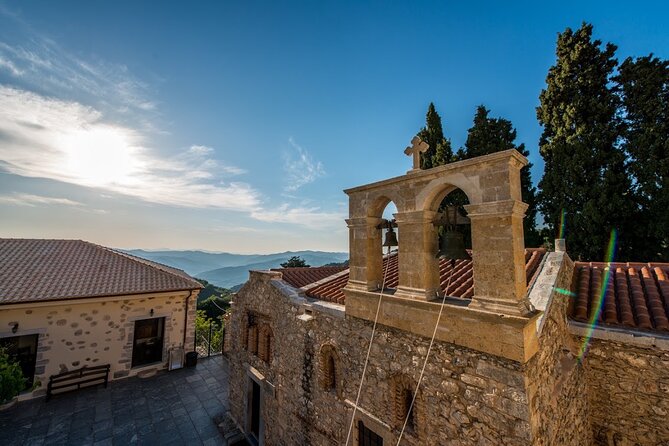
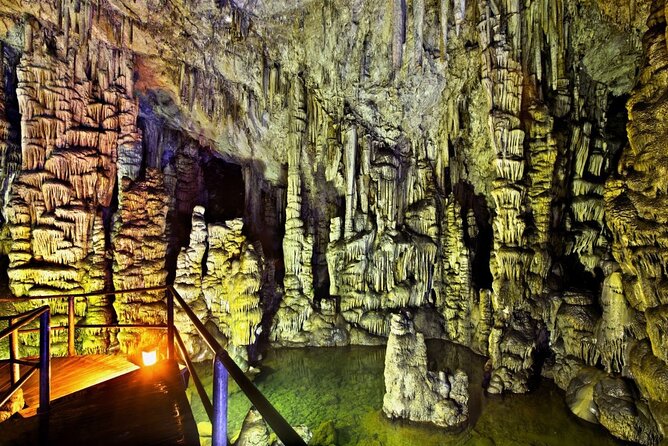
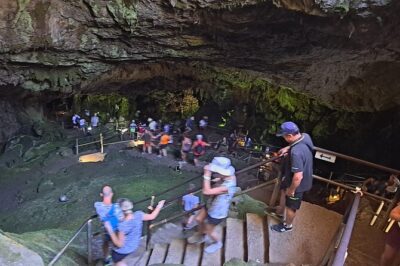
After Kera, you head to Dikteon Cave—the stop tied to the legendary birthplace of Zeus. Plan for about 1 hour 10 minutes here, but note the important cost detail: the cave entrance fee is not included. It’s listed as €6.00 per person, so I recommend having a little cash or card ready.
This is also where the itinerary benefits from a time buffer. Caves can take longer if the group moves slowly, and conditions can change. The guide can help keep things organized while still giving you time to see what you came for.
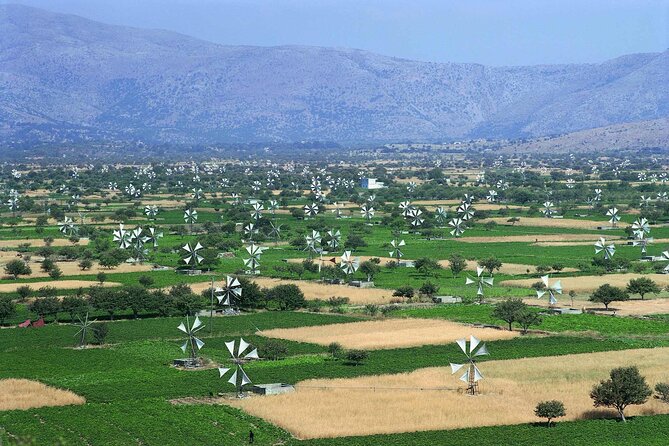
Then you move to the Windmills of the Lasithi Plateau for about 30 minutes. This is your “step outside and breathe” moment. You get great photo opportunities, plus a view that helps you picture why the plateau matters in stories and history. It’s brief, but it’s placed well—after the cave, when your brain shifts from myth underground to myth-perched-on-a-plateau.
Agios Georgios at 850 meters: lunch that anchors the day
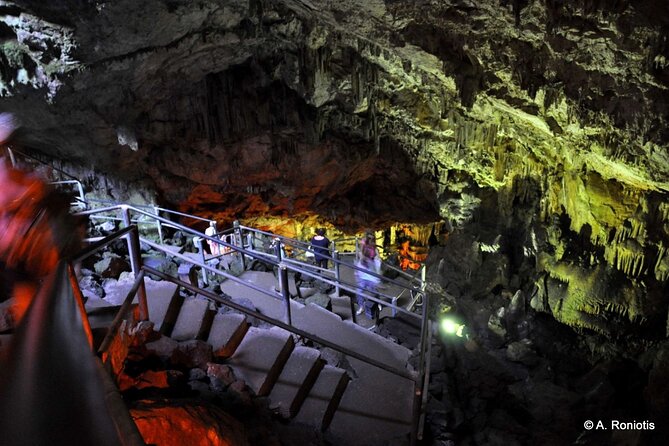
One of the smartest parts of this tour is how it handles food and shopping. Stop five is Agios Georgios, in a natural park at an altitude of about 850 meters, with about 1 hour 45 minutes on the ground.
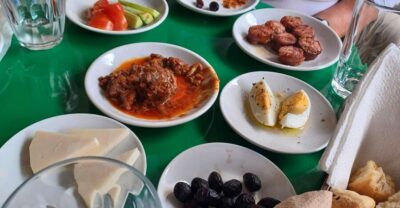
Your lunch is included, and the setting is part of the appeal. Higher altitude can feel cooler than Heraklion, and the change in air helps reset you for the final stretch.
You also get time to browse local crafting arts gathered in the village. This is not a hard-sell stop—it’s more like a chance to look around and pick up something practical or small (if it catches your eye) before you continue.
In my view, this is the kind of pause that makes a long day feel fair. Without it, you’d be skipping meals or eating quickly while rushing between big sights.
Krasi’s plane tree: a short stop with a big sense of time
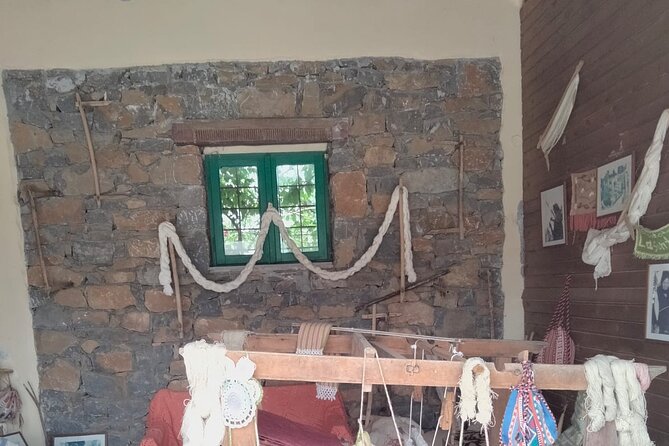
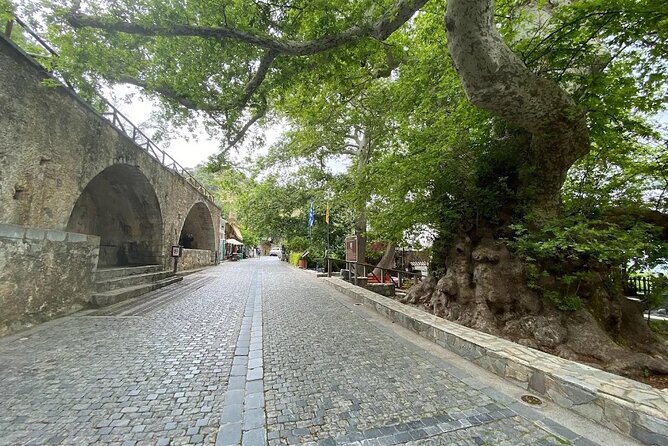
Finally, you visit Krasi and see the monumental plane tree. Expect about 30 minutes here. The tree is described as having a trunk perimeter of 24 meters, and the legend says each meter corresponds to 100 years—which, in plain terms, gives you a huge timeline to think about while you stand under it.
It’s also noted as being among the 5 largest European trees. Even if you’re not a “tree person,” it’s an effective stop because it is tangible and visual. You can’t easily fake scale, and you can feel how long something like this has been part of local life.
How the tour feels in real life (especially with guide George)
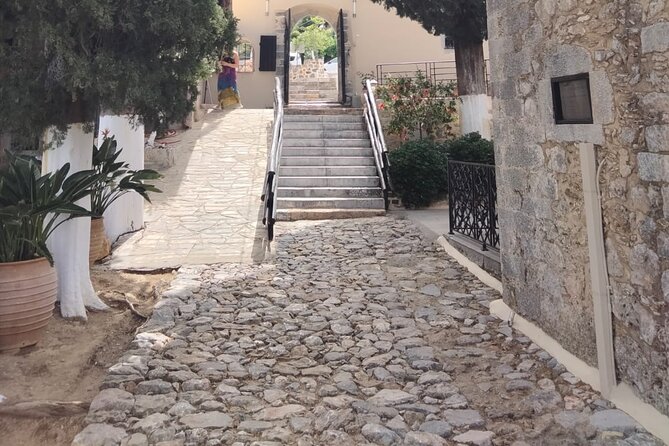
The biggest praise for this outing centers on the guide experience—especially George. He’s described as kind, conversational, and genuinely invested in making the day work, not just checking boxes.
I also think you will feel the difference when a tour has a real Plan A and an adjustable Plan B. The cold and rainy day story matters because it shows you what happens when weather disrupts a site. In that case, George helped swap to Knossos Place when the cave was closed for safety reasons, and you may also see additional local experiences such as a pottery experience depending on the day’s flow.
That flexibility is a value-add. A lot of tours get stubborn when conditions change. This one seems built around keeping you entertained and informed rather than forcing a half-broken day.
Price and value: why the math works here
At $167.37 per person, you might wonder if this is too steep for a “day trip.” Here’s why I think it’s priced more fairly than it first appears:
- You’re getting round-trip structure from Heraklion with an air-conditioned vehicle and a guide throughout.
- Lunch is included, plus bottled water (so you’re not hunting for snacks constantly).
- The group is capped at 8, which is usually better than the large-bus experience.
- Most admissions on the day are listed as included or free, with the clear exception of Dikteon Cave (€6).
So your biggest optional add-on is basically that cave entrance. When I compare that to other tours that stack up multiple ticket fees, this one feels more predictable.
Who should book this tour
This is a good fit if you want:
- A single day covering multiple “types” of Crete: food production, monasteries, mythology, and villages.
- A small group (up to 8) and steady guidance in English.
- The kind of outing where lunch is handled and you don’t waste time deciding what to eat.
It may not be ideal if you prefer very slow travel, or if you strongly dislike cave visits and would rather focus on one area only. Also, because it needs good weather, plan to keep expectations realistic if the day is gray and wet.
Quick tips to make the day smoother
- Bring a little extra money for the Dikteon Cave (€6) entrance.
- Pack layers. Mountain altitude around 850 meters can feel cooler than you expect.
- Wear shoes that handle uneven ground for caves, windmill areas, and village stops.
- Keep your camera ready for the Lasithi Plateau windmills views.
Should you book it?
If you want a well-rounded Crete day without juggling details, I’d book this. The combo of Vassilakis olive oil tasting, Kera monastery frescoes, Zeus Cave, and a real lunch pause gives you a lot of variety for one price, and the small-group size keeps the experience human.
Book it especially if you like food you can explain, art you can linger on, and places tied to real myths and real local life. Just remember the cave fee and dress for mountain weather, and you’ll be set for a memorable day in eastern Crete.
FAQ
How long is the tour?
It runs about 6 to 7 hours.
What time does the tour start?
The start time is 9:00 am.
Is pickup included?
Yes. You wait at the lobby of your hotel for pickup.
How big is the group?
It is a small group with a maximum of 8 travelers.
What language is the guide?
The driver guide provides informative English.
Is lunch included?
Yes, lunch is included.
Do I need to pay an entrance fee at Zeus Cave?
Yes. The Dikteon Cave entrance fee is €6.00 per person and is not included.
What if the weather is bad?
The experience requires good weather. If canceled due to poor weather, you’ll be offered a different date or a full refund.
Is there onboard comfort like WiFi or water?
Yes. You’ll have WiFi on board and bottled water, plus an air-conditioned vehicle.
More Tour Reviews in Heraklion
- Heraklion: Dia Island Sailboat Cruise with Swimming and Meal
★ 4.8 · 2,579 reviews - Heraklion Area: CRETAquarium Admission Ticket
★ 4.4 · 2,055 reviews - Crete: Palace of Knossos E-Ticket and Audio Guide
★ 3.8 · 1,540 reviews - Crete: Sunset or Morning Quad with Local Products Tasting
★ 4.9 · 1,135 reviews - 5Hour Safari Tour in Crete(Heraklion)with Quad,Jeep,Buggy & Lunch
★ 5.0 · 941 reviews
More Wine, Raki and Olive Oil
- Knossos-Zeus Cave -Old Traditional Villages-Olive Oil Factory
★ 5.0 · 694 reviews - Crete: Land Rover Safari with Sunset Viewing, Dinner, & Wine
★ 4.9 · 395 reviews - Knossos & Lasithi Plateau: Zeus Cave,Villages, Olive Oil Tour
★ 5.0 · 328 reviews - Heraklion SUV Private Guided Wine Tour with Lunch
★ 5.0 · 165 reviews - Heraklion: Dia Island Catamaran Cruise with Dinner and Wine
★ 4.8 · 147 reviews
Up on the Lasithi Plateau
- Knossos-Zeus Cave -Old Traditional Villages-Olive Oil Factory
★ 5.0 · 694 reviews - Crete: Knossos, Lasithi, Lasinthos and Olive Farm Combo Tour
★ 4.5 · 351 reviews - Knossos & Lasithi Plateau: Zeus Cave,Villages, Olive Oil Tour
★ 5.0 · 328 reviews - Private Full-Day Knossos-Lasithi Plateau-Cave of Zeus
★ 5.0 · 176 reviews - Private Jeep Tour – Zeus Cave – Cretan villages
★ 5.0 · 135 reviews
Not quite it? Keep exploring what there is to do around Heraklion

Zeus Cave & the Lasithi Plateau, compared.
 ★ 5.0Knossos-Zeus Cave -Old Traditional Villages-Olive Oil FactoryFrom $136694 reviews
 ★ 4.5Knossos, Lasithi, Lasinthos and Olive Farm Combo TourFrom $50351 reviews
 ★ 5.0Knossos & Lasithi Plateau: Zeus Cave,Villages, Olive Oil TourFrom $127328 reviews
 ★ 5.0Private Full-Day Knossos-Lasithi Plateau-Cave of ZeusFrom $544176 reviews
 ★ 4.1Lassithi Plateau & Kera Monastery Tour with CeramicsFrom $44169 reviews
 ★ 5.0Private Tour-Knossos Palace Zeus Cave Olive Oil Mill & WineFrom $151135 reviews
 ★ 5.0Private Jeep Tour – Zeus Cave – Cretan villagesFrom $385135 reviews
 ★ 5.0Full-Day Private Adventure: Knossos-Zeus’ Territory-Old VillagesFrom $464115 reviews
Browse the lists this tour appears in