
Reviewed · WINE, RAKI & OLIVE OIL TASTINGS
Crete: Full-Day Cretan Wines, Olive Oil, Raki and Food Tour
Eight hours of olive oil, wine, raki, and pottery. I love how this day tour strings together Crete’s most iconic tastes with real stops run by families, not staged photo moments. You get a full, sensory overview of how grapes, olives, and spirits fit into daily life on the island.
Two things I really like: the olive mill and olive grove tasting make the flavors feel earned, and the five-wine winery stop is paced like a proper visit, with time to ask questions. Guides like Antonis and George (and sometimes a friendly duo) set the tone fast, with lively stories as you move from one producer to the next.
The one caution: it’s a packed 8-hour itinerary, and the raki can be strong (and sometimes flavored). If you’re not a spirits person, plan to go slow during tastings and keep an eye on how you’re feeling.
In This Review
- Key highlights that make this tour worth your day
- What the full-day rhythm looks like (and why it works)
- Skalani start: brunch energy before the tastings
- Olive mill and olive grove: turning flavors into a story you can taste
- Winery visit with five wines: organic farming meets the glass
- Raki distillery and ancient press: why this spirit is a Crete must
- Tavern lunch: where the day becomes a meal, not a schedule
- Pottery workshop in Thrapsano: the hands-on finale
- Price and value: what you’re really paying for at $141
- Who this tour fits best (and who may want to think twice)
- Should you book this Crete wines, olive oil, raki, and food tour?
- FAQ
- How long is the Crete Cretan Wines, Olive Oil, Raki and Food Tour?
- How big is the group?
- What languages are the guides?
- What tastings are included?
- Is pottery part of the tour?
- Does the tour include pickup from my accommodation?
- What does lunch include?
- Can the tour handle dietary requests?
- What if I need to cancel?
Key highlights that make this tour worth your day
- Family-run producers: you spend time where locals work and sell, not just where tourists pass through.
- Olive mill + olive grove tour: you see how olives become oil before you taste it.
- Five wines in one winery: a guided flight instead of a quick pour-and-go.
- Raki distillery with an ancient wine press: history you can actually point at.
- Pottery workshop in a traditional village: wheel-throwing fun at the end, when you’re already in a relaxed mood.
Thirsty work: more wine, raki and olive-oil tastings around Crete
- Crete: Knossos Palace, Winery & Olive Oil Tour with Lunch★ 4.9 · 49 reviews
What the full-day rhythm looks like (and why it works)
This is built as a classic day of Crete: pick-up, a couple of short van hops, then several “stay-and-slow-down” stops where food and drinks keep coming. You’re in a small group (up to 8), which matters because you get more than just a label for what you’re tasting—you get conversation.
Your day starts with pickup from your accommodation and then a van ride toward the first stop (about 30 minutes). After that, you’ll see a repeating pattern: short travel segments followed by a focused experience—olive oil, then wine, then raki, then a full tavern lunch, and finally pottery.
At $141 for about 8 hours, the value hinges on one thing: the tour isn’t only about tasting. You’re also paying for guided visits—olive grove touring, winery instruction, distillery explanations, and a pottery experience—plus transportation.
Skalani start: brunch energy before the tastings
The day kicks off in Skalani, where you’ll get a guided visit and a brunch with local snacks. This is a smart setup. If you start with drinks on an empty stomach, the rest of the day can feel like a blur. The brunch helps you pace the wine and raki later.
Expect the mood to warm up quickly here. Several guests call out the welcoming feel of the people you meet, and this first stop sets that tone. It’s also a good point to get a feel for how the guide talks about Crete—agriculture, family traditions, and the practical realities of making products year after year.
If you’re the type who likes to buy small souvenirs, this early stage can be a bonus. You’ll be in product-country mode, not tourist-shopping mode.
Olive mill and olive grove: turning flavors into a story you can taste
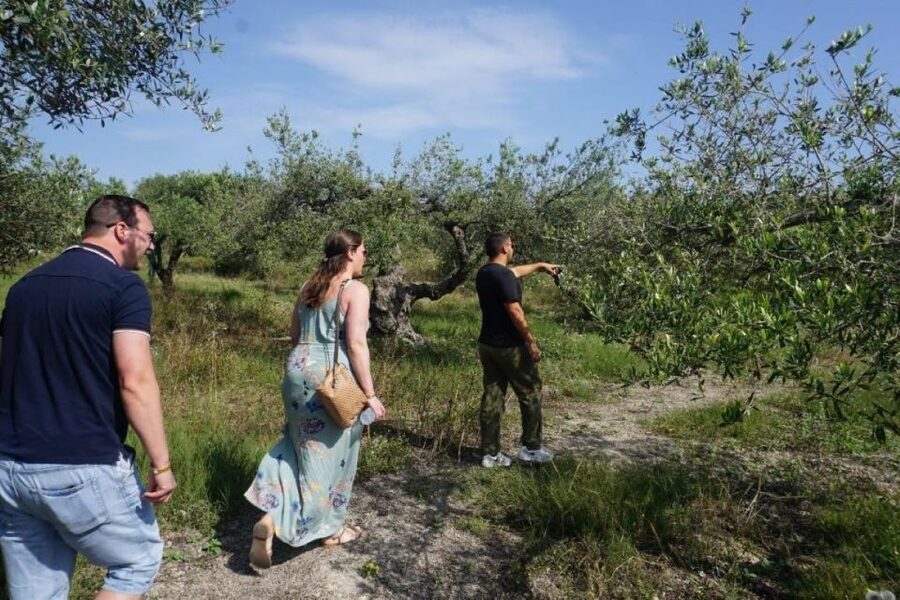
This part is the heart of the tour for a lot of people—and for good reason. You’ll visit a local olive mill, then tour an olive grove, and finally taste fresh olive oil after the processing.
What I like about doing the olive oil this way is simple: you stop guessing. Olive oil can taste like “just oil” if you’ve only had bottles from a supermarket. But once you’ve seen the process—how olives are handled and pressed—you start tasting details you’d otherwise miss.
The grove tour also puts the geography into your mouth. You begin to understand why Crete has this reputation. Olives aren’t a side hobby here; they’re woven into the island’s economy and daily routines. When the tasting arrives, it feels less like a sample and more like a conclusion to what you just learned.
Practical tip: bring your curiosity, not your phone-only mindset. This is the kind of stop where asking what to notice in the taste (pungency, fruitiness, bitterness) makes the tasting more fun.
Winery visit with five wines: organic farming meets the glass
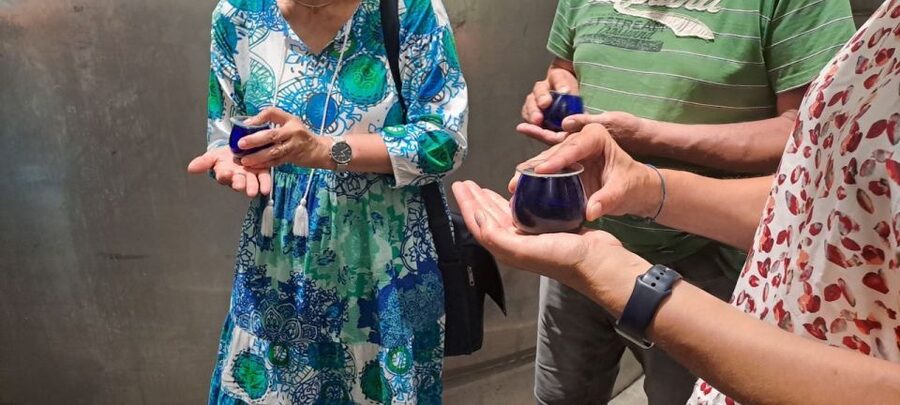
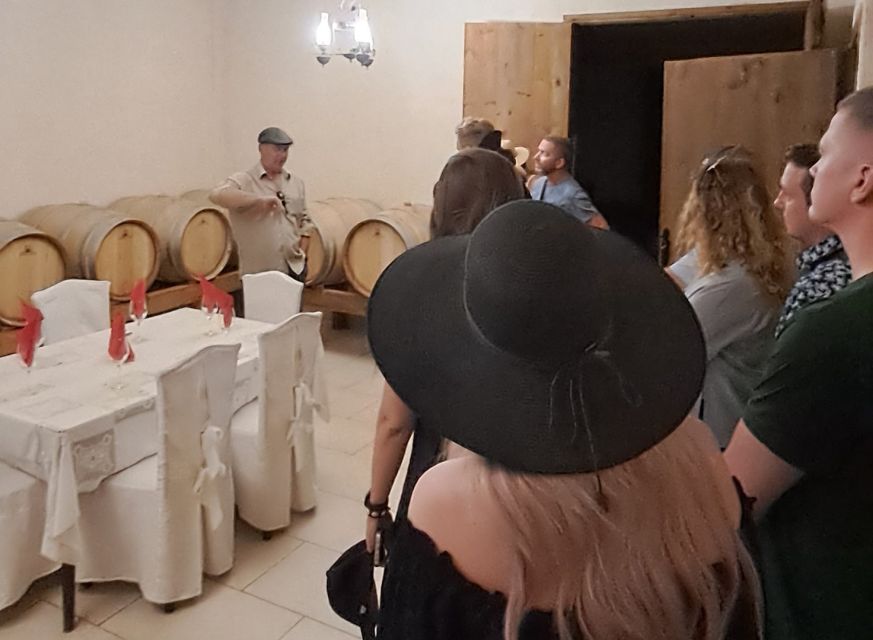
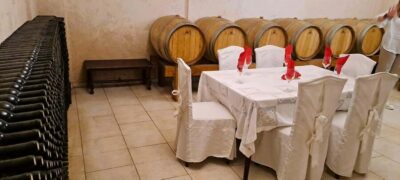
Next comes a family-owned winery, described as using organic methods for cultivating. You’ll get a guided tour around the vineyards and the winery itself, then you’ll taste five wines.
I like that this stop isn’t just about drinking. You’re also looking at the place where the vines grow and hearing how cultivation choices affect the final flavor. You’ll likely pick up on how careful vineyard work matters when you’re dealing with a place that’s been producing wine for a very long time.
The five-wine format is a sweet spot. It’s enough variety to understand styles, but not so many pours that you lose the thread. You can actually compare—red vs. white tendencies, how aromas shift, and how each wine finishes.
From the way guests describe the hospitality, the winery portion also feels personal. You’re not treated like you’re passing through. You’re meeting a working operation and being welcomed to taste the result.

Raki distillery and ancient press: why this spirit is a Crete must
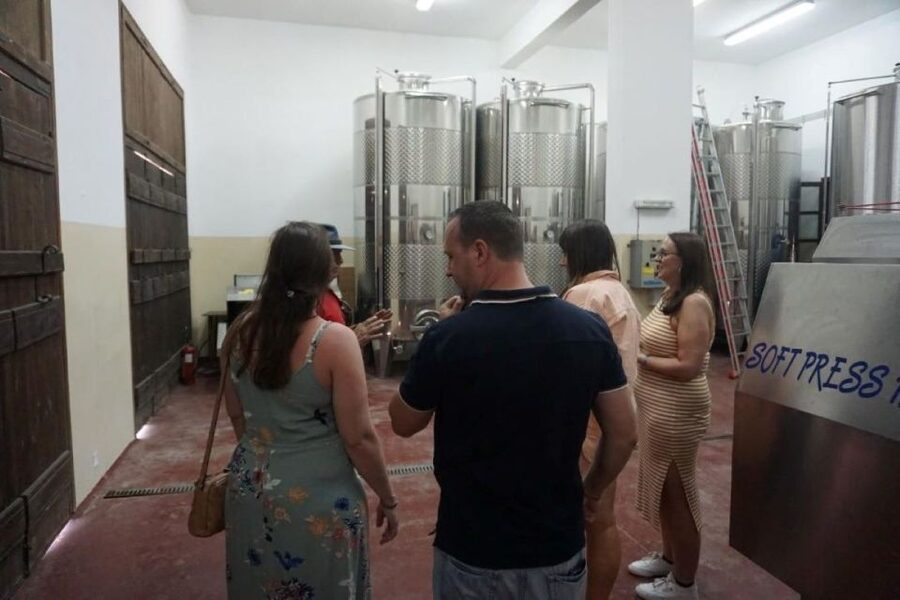
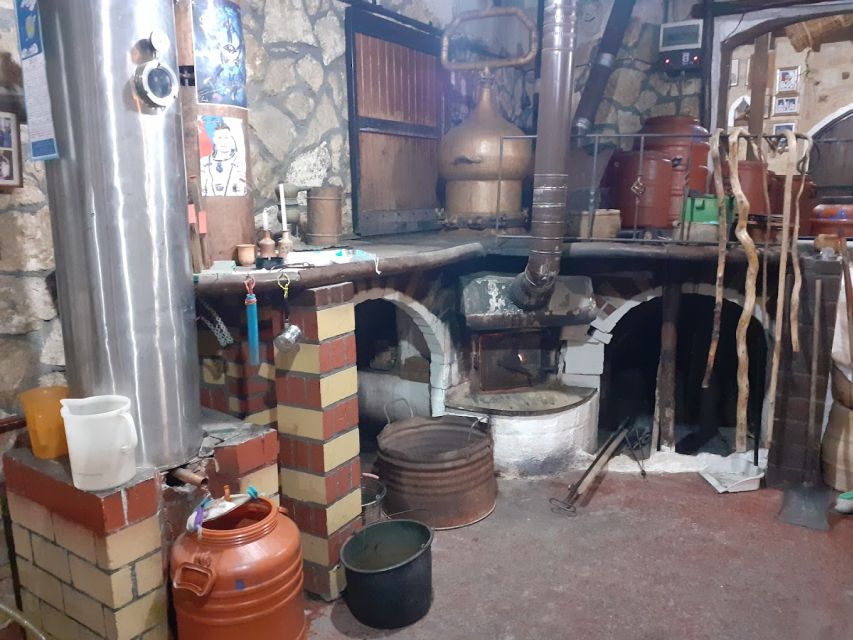
Then you’ll shift gears to spirits, with a visit to a raki distillery—including a tour of the distillery and explanations tied to an ancient wine press. Raki is one of the most famous Cretan spirits, and this stop is where the tour gets lively.
The tasting happens in a rakokazano setting. Expect stories alongside samples, with plenty of chances to ask questions about production and how raki fits into culture. One guest even highlights flavored raki surprises, including lemon raki and other playful blends. That’s the key: this isn’t always just a one-note spirit.
Here’s the one heads-up I’d give you: don’t treat raki like a “sip and ignore” drink. It can hit fast. If you’re sensitive to alcohol, pace yourself, take water breaks, and keep the rest of the day in mind.
If you do want to go all-in, this is the stop to do it. By the time you reach the distillery, you’ve already learned olive oil and wine tasting, so your senses are warmed up—and you’ll get more enjoyment out of the raki if you’re paying attention.
Tavern lunch: where the day becomes a meal, not a schedule
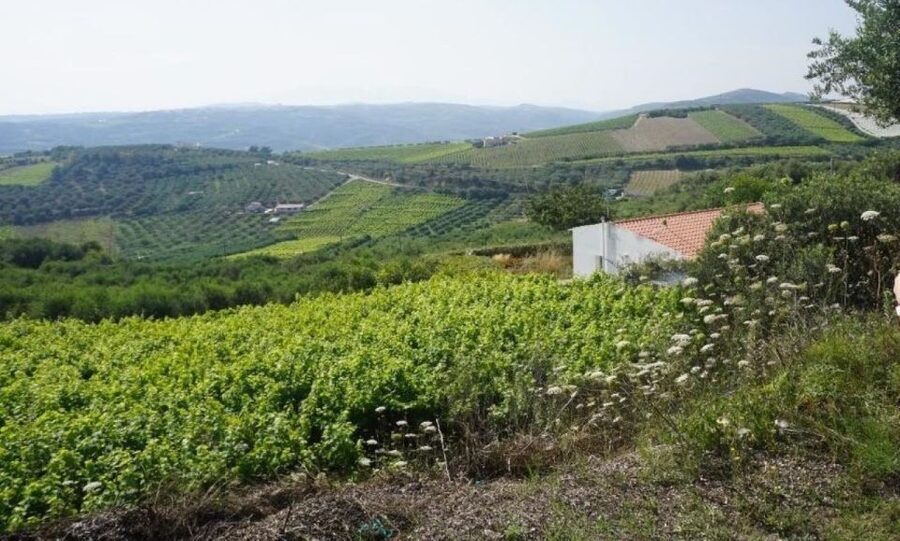
Lunch is at a traditional taverna in a village setting. This is included, and it’s a real break in the middle of the tasting-heavy day.
Based on guest reports, the lunch is generous and focused on local specialties—often described as a multi-course meal (one person specifically called it three courses). Even if you don’t track every dish, you’ll feel the intention: you’re eating what locals eat, not a simplified tourist plate.
I love that lunch isn’t treated as a checkpoint. The group gets time to sit, eat, and reset. It also gives you a chance to talk with your guide about anything you noticed earlier—like how olives and grapes overlap in Cretan farming—and then carry that knowledge back to the tastings.
If you have dietary needs (vegetarian, allergies), you’ll want to contact the local operator at least 48 hours in advance. That’s the best way to help the team handle your meal comfortably.
Pottery workshop in Thrapsano: the hands-on finale
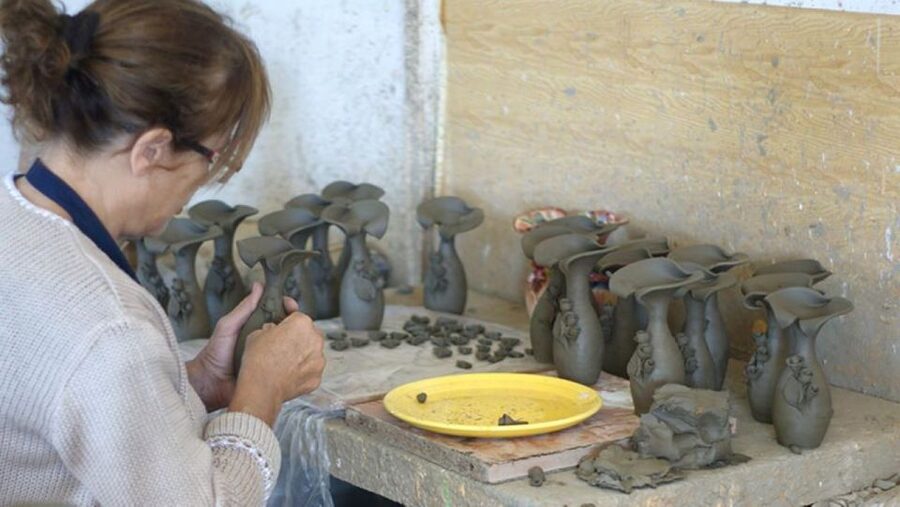
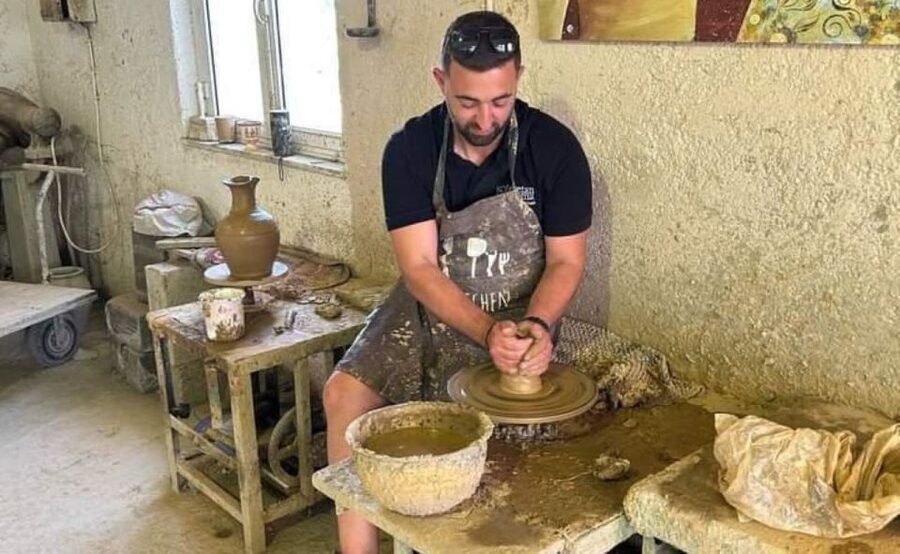
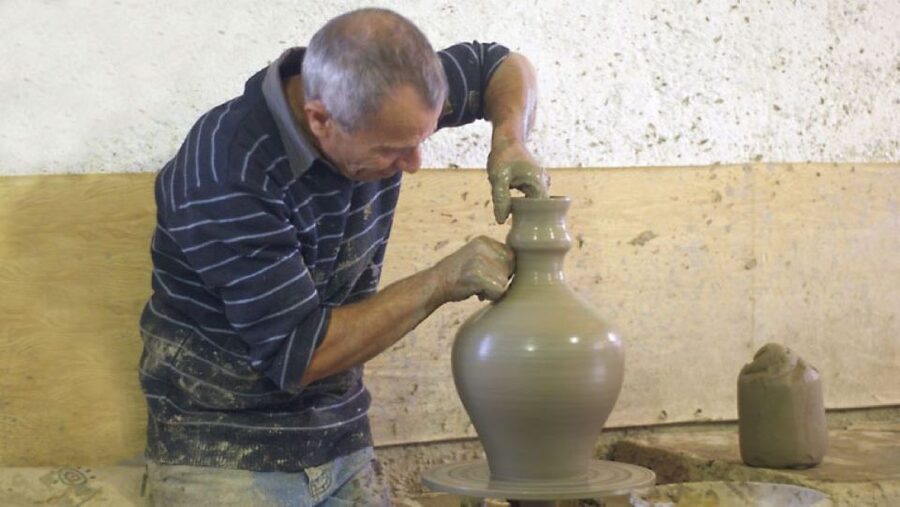
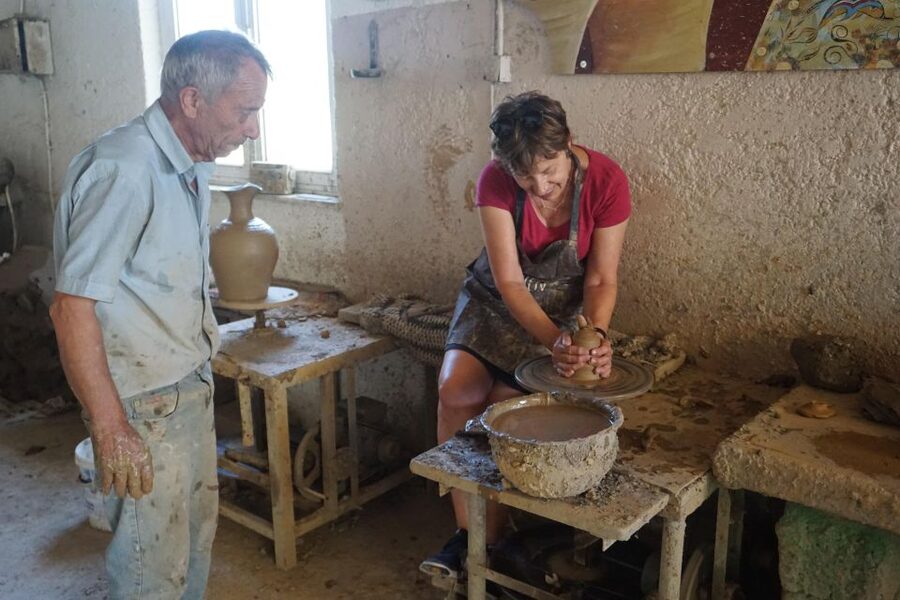
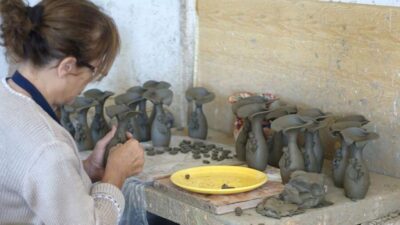
The day closes with a visit to Thrapsano, a traditional village tied to pottery. You’ll get a guided visit, an arts & crafts market visit, and a workshop experience.
Wheel-throwing is the standout here for many guests. You’re not just watching someone else work. A professional potter guides you, and you get to try your hand at making a piece. Even people who aren’t “crafty” tend to find it fun because it’s physical, creative, and a change of pace after hours of tasting.
One practical detail: the pottery lab is not available on Sundays. If your trip falls on a Sunday, you’ll want to double-check how the workshop is handled on that day.
Also, if you plan to buy pottery, listen to the guide during the workshop. Buying right after making (or right after seeing how it’s made) tends to help you understand what you’re actually paying for.
Price and value: what you’re really paying for at $141
At $141 per person for an 8-hour small-group experience, this tour is priced like a full-day program. The value isn’t only in the alcohol and food (though you do get both). It’s in the number of guided producer visits.
You’re included for:
- Transport and pickup/return from your accommodation
- Guided olive grove + olive mill tour and olive oil tasting
- Winery tour plus wine tasting (five wines)
- Raki distillery tour plus wine and raki tasting
- Lunch
- Pottery studio workshop (optional, depending on how it’s offered during your day)
So you’re paying for several “small-group, guided, hands-on” experiences packed into one day. That’s why guests repeatedly say it feels worth it: the day moves fast, but the stops aren’t empty. You’re learning processes, not just sampling flavors.
One more value note: small groups often mean less waiting around, more question time, and a more relaxed vibe in tastings. That’s part of why this feels more like a day with friends than a busy bus tour.
Who this tour fits best (and who may want to think twice)
This tour is a strong match if you want a single day that covers multiple sides of Crete:
- olive oil production
- winery wine tasting
- raki distillery culture
- local lunch
- hands-on pottery
It also suits you if you like meeting people and hearing the human side behind the products. Many guests specifically highlight the warm, family-run hospitality at each stop.
If you’re not into tasting culture or you dislike spirits, you can still enjoy it—olive oil and winery time are substantial. Just keep your pace in mind at the raki stop and don’t feel pressured to “finish everything.”
If you’re visiting on a Sunday, remember the pottery lab won’t be available. You can still book, but plan around that detail.
Should you book this Crete wines, olive oil, raki, and food tour?
I think this is a great booking when your goal is a full, local-feeling day. The combination of olive mill + grove tasting, five-wine winery tour, and a raki distillery with an ancient press gives you a clear picture of how Crete’s agriculture turns into everyday culture.
I’d book it if:
- you want a small-group day with lots of guided moments
- you care about process, not just tasting
- you’ll enjoy raki (or you’re willing to sip slowly and learn)
I might skip or choose another option if you:
- strongly avoid alcohol flavors and don’t want spirit tastings at all
- are easily overwhelmed by a busy, timed day (it is an 8-hour program)
- need Sunday pottery access
If you do book, go hungry, pace your drinks, and ask questions at each stop—this is the kind of tour that rewards curiosity.
FAQ
How long is the Crete Cretan Wines, Olive Oil, Raki and Food Tour?
It lasts about 8 hours.
How big is the group?
The tour is a small group limited to 8 participants.
What languages are the guides?
The live tour guide speaks English and Greek.
What tastings are included?
You’ll taste olive oil, and you’ll have wine and raki tastings, including tasting 5 wines at the winery.
Is pottery part of the tour?
Yes, there’s a pottery studio stop in a traditional village, described as optional in the included items. Note that the pottery lab is not available on Sundays.
Does the tour include pickup from my accommodation?
Yes, pickup and return are included, with pickup from your accommodation location.
What does lunch include?
Lunch is at a local tavern and is included. The tour data doesn’t list every dish, but it is described as a traditional lunch.
Can the tour handle dietary requests?
You can contact the local operator at least 48 hours in advance for meal needs like allergies or vegetarian requests.
What if I need to cancel?
You can cancel up to 24 hours in advance for a full refund.
More Tour Reviews in Crete
- Malia: Off-Road Quad Safari Tour with Lunch and Transfers
★ 4.8 · 137 reviews - Crete: Knossos Palace, Winery & Olive Oil Tour with Lunch
★ 4.9 · 49 reviews - Crete: Full-Day Tour to Voulisma Beach
★ 4.4 · 14 reviews
More Wine, Raki and Olive Oil
- Crete: Knossos Palace, Winery & Olive Oil Tour with Lunch
★ 4.9 · 49 reviews
Not quite it? Keep exploring what there is to do around Crete
Wine, Raki & Olive Oil Tastings, compared.
 ★ 5.0Knossos-Zeus Cave -Old Traditional Villages-Olive Oil FactoryFrom $136694 reviews
 ★ 4.9Land Rover Safari with Sunset Viewing, Dinner, & WineFrom $99395 reviews
 ★ 5.0Knossos & Lasithi Plateau: Zeus Cave,Villages, Olive Oil TourFrom $127328 reviews
 ★ 5.0Heraklion SUV Private Guided Wine Tour with LunchFrom $272165 reviews
 ★ 4.8Dia Island Catamaran Cruise with Dinner and WineFrom $120147 reviews
 ★ 4.8Dia Island Romantic Sunset Cruise with WineFrom $86144 reviews
 ★ 5.0Private Tour-Knossos Palace Zeus Cave Olive Oil Mill & WineFrom $151135 reviews
 ★ 5.0Olive Oil, Soap, Wine, Raki – Flavorful Culinary JourneyFrom $111119 reviews
Browse the lists this tour appears in