
Reviewed · WINE, RAKI & OLIVE OIL TASTINGS
Crete: Olive Oil, Soap, Wine, Raki – Flavorful Culinary Journey
Follow Crete inland for real flavor.
This tour turns the island’s everyday crafts into a full, hands-on food day, starting at a family-run olive mill and finishing with tastings of wine and raki, plus a participatory soap stop.
I especially like how you get fresh olive oil tasting tied to the production process, not just a sample on a plate. I also love the soap-making workshop, because it shows how olive oil becomes something you can actually take home.
One main drawback to plan for is that it can feel like a long, hot day, with limited downtime before late lunch. Bring your sun game and you’ll enjoy it a lot more.
In This Review
- Key highlights you’ll feel on this tour
- Crete’s Flavor-First Day Trip from Heraklion
- Price and value: why $111.26 can make sense here
- Pickup, transport, and the heat reality (plan like a local)
- Stop 1: A family-run olive mill and the taste test that matters
- Soap workshop: why olive oil becomes something totally different
- Wine tastings in Crete: indigenous varieties and real conversation
- Quick caution: temperature can affect your enjoyment
- Raki distillery and barrel-aged tasting: spirit, ritual, and stories
- Peza Village lunch: the food break that shapes the whole day
- Small-group size (max 15) and the guide factor
- What to pack and what to do before you go
- Potential weak spots to know before you book
- Who should book this olive oil, wine, raki, and soap day
- Should you book the Olive Oil, Soap, Wine, Raki tour?
- FAQ
- FAQ
- How long is the tour?
- Is pickup included, and how do I know the pickup time?
- What language is the tour offered in?
- What group size should I expect?
- What food and drink are included?
- Do I get to participate in the soap-making stop?
- Will I visit a winery and a distillery?
- Is there transportation during the day?
- What should I bring for comfort?
- Can I cancel for a refund?
Key highlights you’ll feel on this tour
- Olive oil from press to palate at a real family mill, with tasting right after production.
- Wine education without pretension, including tastings of indigenous Cretan varieties.
- Barrel-aged raki and a proper look at how the spirit is made, not just poured.
- Hands-on soap making that turns olive oil into natural personal-care products.
- Small group energy (max 15), so you can ask questions and talk with your driver and hosts.
- Local-food lunch in Peza Village, where the day finally slows down.
Thirsty work: more wine, raki and olive-oil tastings around Heraklion
- Knossos-Zeus Cave -Old Traditional Villages-Olive Oil Factory★ 5.0 · 694 reviews
- Crete: Land Rover Safari with Sunset Viewing, Dinner, & Wine★ 4.9 · 395 reviews
- Knossos & Lasithi Plateau: Zeus Cave,Villages, Olive Oil Tour★ 5.0 · 328 reviews
- Heraklion SUV Private Guided Wine Tour with Lunch★ 5.0 · 165 reviews
Crete’s Flavor-First Day Trip from Heraklion
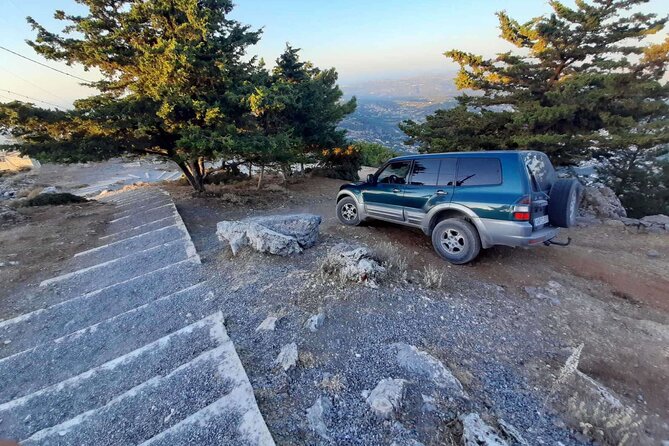
If you think Crete is only beaches and buses, this kind of tour corrects that fast. You’ll head inland into the working world behind olive trees, vineyards, and distilling rooms.
The big idea is simple: you taste what Crete produces, then you learn how it gets made. Olive oil leads, because it’s the base ingredient for everything from food to soap.
This is the kind of day that feels like visiting people, not collecting stamps. You’ll meet hosts who care about how they do things, and your guide helps translate the stories into something you’ll remember at dinner later.
Price and value: why $111.26 can make sense here
At $111.26 per person for about six hours, the value depends on what you like. If you want one craft tour and one meal, you might feel it’s pricey. But if you want multiple tastings plus production visits, the math shifts.
You’re not just buying a ticket for scenery. Your included stops cover:
- an olive mill visit with tasting
- wine tastings of three indigenous varieties
- raki tasting (including one raki aged in a barrel)
- a soap-making demonstration where you participate
- a traditional light lunch at a local tavern in Peza Village
That lineup is the value engine. You’re paying for access to small, family-run producers and the time to learn how the products get made.
Also, the tour runs as a small group (max 15) with pickup offered and an air-conditioned vehicle. Comfort matters on Crete, especially in warmer months, and it makes the day easier to enjoy.
Pickup, transport, and the heat reality (plan like a local)
Pickup is available, but the exact time is handled individually. The operator sends it to you via text message or email, so double-check the details you entered when you booked.
Expect a lot of movement in a short day. Even when walks are brief, you’ll be switching locations and spending time outdoors. One of the most consistent pieces of practical advice is to plan for heat.
Bring a fan if you have one, and pack water anyway. Even when stops are friendly and organized, water availability isn’t always guaranteed at every partner site.
You’ll also want comfortable shoes. Some production locations can include uneven ground and stairs, even if the walking distance feels small.
Stop 1: A family-run olive mill and the taste test that matters
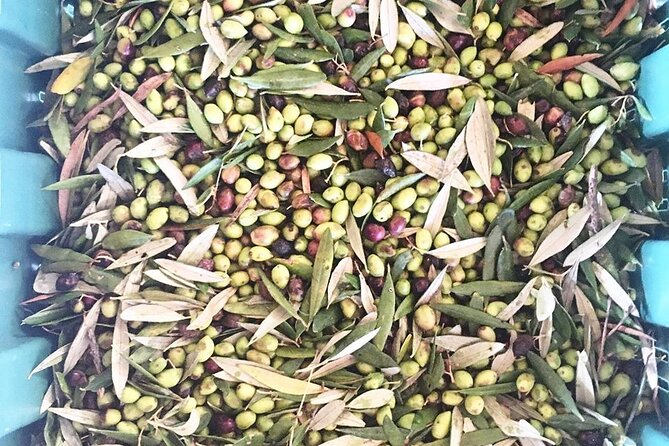
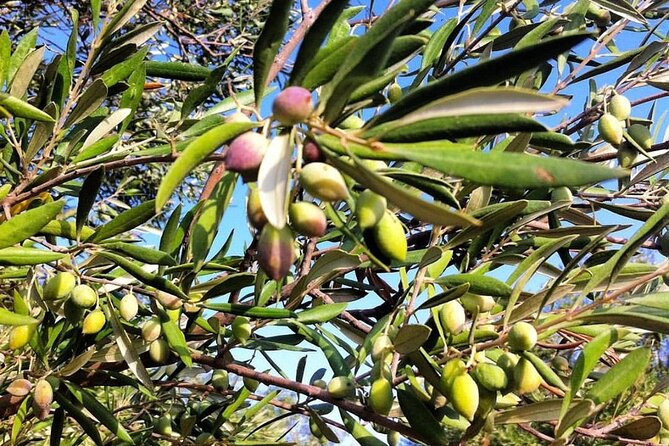
This is where the day earns its keep. At the olive mill, you’ll see how olive oil is produced, then taste it while it’s still fresh and meaningful.
A lot of olive oil experiences stop at a quick pour and a sales pitch. Here, you’re learning the basic flow of production and why certain oils taste a certain way. That context changes how you perceive the flavor.
You’ll usually taste multiple types of olive oil with bread during the mill visit. The point isn’t to become an oil scientist. The point is to understand the difference between what you’re tasting and how it got there.
If you’re the type who likes buying something you can explain, this part gives you real confidence. Olive oil can be confusing in shops, but after the mill, labels start making sense.
Hands in the dough? More Cretan cooking classes near Heraklion


Soap workshop: why olive oil becomes something totally different
The soap stop is the one many people don’t expect. It’s also one of the most memorable.
In the handmade soap workshop, you get a demonstration and you’ll see how olive oil is transformed into natural soap. The practical payoff is strong: you’ll smell the ingredients, see the process, and understand what you’re buying.
This is a great moment to slow down. The atmosphere is usually more hands-on and less rushed than tastings. Even if you’re not a “buy souvenirs” person, soap is easy to justify because it’s useful and made right there.
It’s also a nice balance to all the alcohol tastings later. Your nose and your hands get a turn, which makes the day feel less one-note.
Wine tastings in Crete: indigenous varieties and real conversation
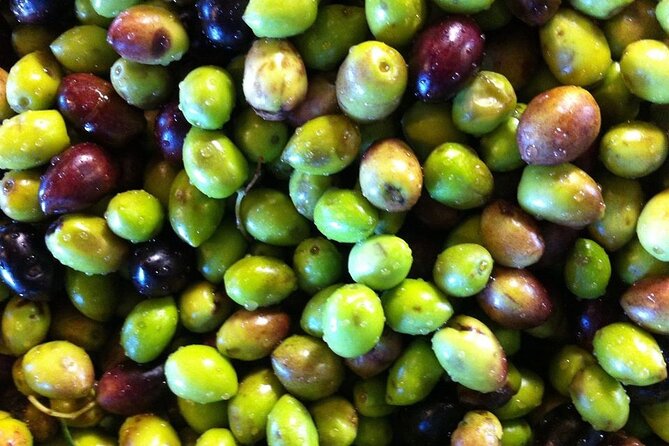
Next comes Cretan wine. You’ll visit a micro-winery & raki distillery stop as part of the program, and the tour includes a wine tasting of three indigenous varieties.
Wine tasting on Crete has a local rhythm. You might hear talk about vineyards, grape character, and how people think about drinking wine in daily life. The goal isn’t to throw fancy terms at you. It’s to make you notice what you taste.
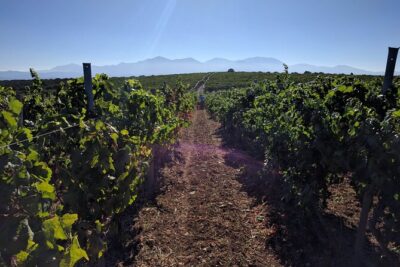
On some days, you may also find extra surprises around the winery area, like vineyard access for photos or small food pairings. One detailed description included grapes eaten straight off the vine before heading indoors.
If you’re a wine lover, this part can feel like a course taught in a casual way. If you’re not a wine person, don’t worry. You’ll still get the bigger picture: where wine culture fits alongside olive oil and raki in Cretan food life.
Quick caution: temperature can affect your enjoyment
One potential weak spot: a few people noted the wine was not chilled. Warm wine is drinkable, but it can feel harder to enjoy if you’re picky about serving temperature.
If you’re sensitive to that, consider asking when the pours start, and lean into the experience as learning rather than expecting restaurant-level wine service.
Raki distillery and barrel-aged tasting: spirit, ritual, and stories
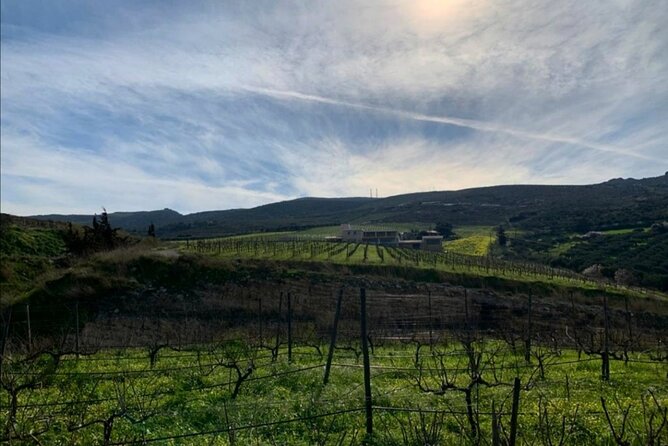
Raki is Crete’s fiery spirit, and this tour treats it as more than a shot glass. You’ll visit a distillery partner and taste one raki aged in a barrel.
That barrel aging changes the flavor profile. It’s not just about strength; it’s about aroma and texture. You should notice a difference compared to younger raki, even if you’re not used to tasting spirits.
At the distillery stop, you’ll typically get the how-and-why behind the drink. People produce raki for the same reason they produce olive oil and wine: it’s part of community life, not a factory-only product.
Some stops also include liqueurs alongside raki. One description mentioned honey-mixed raki and wine liquor-style tastings, so your tasting may go beyond the single item listed.
If you like learning in a friendly setting, this is often the place where conversation clicks. It’s also where small-group size helps, because you can ask questions without feeling like you’re in a crowd.
Peza Village lunch: the food break that shapes the whole day
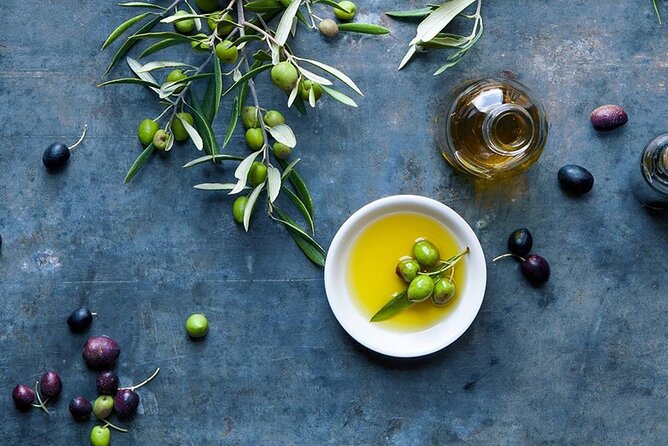
After all the production and tastings, you’ll eat lunch at a traditional light lunch in Peza Village.
This is the part that many people remember most, especially when the meal feels home-style. The best descriptions focused on hospitality and comfort, like being welcomed into someone’s kitchen instead of just being processed through a restaurant.
Even so, it’s still a light lunch. If you skip breakfast, you may feel it later. One practical tip that came up clearly is to eat something in the morning because lunch may land later in the day.
Timing matters too. Some descriptions placed lunch around 3:00, which can make the day feel long. If you’re sensitive to hunger, plan for it instead of hoping the tour magically provides snacks.
Also, don’t assume water is always waiting at every stop. If you’ve packed water from the start, lunch feels better and the whole day becomes easier to manage.
Small-group size (max 15) and the guide factor
The tour keeps a maximum of 15 travelers, which changes everything. You’re not just “in a group.” You’re close enough to hear explanations, and the hosts feel more like people you’re talking with.
It also means your guide has room to handle questions and keep everyone moving. Several guides and drivers were highlighted by name in descriptions, including Tony, Eleni, and Yanni, plus local hosts such as Alex, Maria, and Angelica.
If you’re hoping for lively storytelling during the drives between stops, keep your ears open when these guides are mentioned. A good guide makes the route feel like part of the day, not just transportation.
You may ride in one or two vans depending on the group size. Either way, the air-conditioned vehicle is a real quality-of-life upgrade.
What to pack and what to do before you go
This day rewards simple preparation. You don’t need special gear, but you do need a few basics.
- Bring water even if you expect frequent stops, since water wasn’t available at every location.
- Pack sunscreen and consider a fan, since it can feel hot and slow in the sun.
- Eat breakfast, because lunch can come later and it’s described as light.
- Wear comfortable shoes, since you may handle short walks over uneven ground and stair steps at certain sites.
- If you plan to buy gifts, bring a small bag for soap and packaged foods, and don’t overpack your day bag.
If you’re traveling with a tight schedule, be realistic. This is a full six-hour tasting and production circuit.
Potential weak spots to know before you book
No tour is perfect for every palate. Here are the main issues to keep in mind so you don’t get blindsided.
Wine service temperature
Some people felt the wine wasn’t chilled. If you like crisp, cold wine, you might enjoy some pours less.
Water and small pacing disappointments
A few descriptions flagged limited water at some stops and late lunch timing. That’s easy to fix with your own water bottle and breakfast.
Production locations can be simple
Small family-run operations may not have the same facilities as a large, modern winery. One description noted missing or limited amenities at an olive-related site, which is worth factoring if you prefer bigger venues.
Not every stop hits the same note
One description found the olive oil portion less impressive than expected. That doesn’t mean the oil is bad. It means the style of the stop may feel more educational and less scenic.
If you go in with the right expectations—crafts, tastings, learning—you’ll likely enjoy it more.
Who should book this olive oil, wine, raki, and soap day
This tour is a great fit if you want:
- A food and drink day that’s inland-focused
- Hands-on learning about olive oil and soap making
- Tastings of indigenous Cretan wine and barrel-aged raki
- A small-group experience where you can talk with hosts and your driver
It’s also a nice option for couples or solo travelers who want company without being stuck in a big bus crowd.
If you’re the type who only wants stunning views and minimal walking, you might feel the day is more “craft stops” than “scenery tour.” Also, if you are very picky about wine temperature and service, plan to treat tastings as part of education rather than expecting perfect restaurant conditions.
Should you book the Olive Oil, Soap, Wine, Raki tour?
I’d book it if you like learning through taste and you want a day that explains how Crete turns plants into culture. The best value comes from the whole bundle: olive mill production plus wine, raki, and a soap-making workshop, capped by lunch in Peza Village.
You should think twice if you’re sensitive to heat, hate feeling on a schedule, or expect a long, scenic countryside drive with major landmark stops. In those cases, bring your own water, eat breakfast, and choose this for the craft and tasting focus.
If you do book, do it early. This tour gets scheduled about a month ahead on average, and small-group days tend to fill.
FAQ
FAQ
How long is the tour?
The tour runs for about 6 hours.
Is pickup included, and how do I know the pickup time?
Pickup is offered. The operator will send the exact pickup time by text message or email, so double-check the contact details you used at booking.
What language is the tour offered in?
The tour is offered in English.
What group size should I expect?
The experience has a maximum of 15 travelers.
What food and drink are included?
You’ll get a traditional light lunch at a local tavern in Peza Village, plus tastings including olive oil tasting, wine tasting of 3 indigenous varieties, and 1 raki aged in a barrel.
Do I get to participate in the soap-making stop?
Yes. The program includes a soap making demonstration, and you participate.
Will I visit a winery and a distillery?
Yes. The tour includes a micro-winery & raki distillery visit in addition to other production and tasting stops.
Is there transportation during the day?
Yes. You travel in an air-conditioned vehicle.
What should I bring for comfort?
This day can be hot and water may not be available at every stop, so bring water and consider a fan, plus comfortable shoes for short walks.
Can I cancel for a refund?
Yes. You can cancel for a full refund if you cancel at least 24 hours before the experience start time.
More Tour Reviews in Heraklion
- Heraklion: Dia Island Sailboat Cruise with Swimming and Meal
★ 4.8 · 2,579 reviews - Heraklion Area: CRETAquarium Admission Ticket
★ 4.4 · 2,055 reviews - Crete: Palace of Knossos E-Ticket and Audio Guide
★ 3.8 · 1,540 reviews - Crete: Sunset or Morning Quad with Local Products Tasting
★ 4.9 · 1,135 reviews - 5Hour Safari Tour in Crete(Heraklion)with Quad,Jeep,Buggy & Lunch
★ 5.0 · 941 reviews
Back in the Kitchen: More Classes
- Full-Day Jeep Safari Tour with Cooking Lesson
★ 5.0 · 284 reviews - Crete: Olive, Wine, & Raki on a Flavorful Culinary Journey
★ 4.7 · 56 reviews - Heraklion Private Cretan Cooking Class at a Traditional Village
★ 4.5 · 11 reviews - Cretan Flavors – Cooking Lessons and Wine Olive Oil Tasting
★ 5.0 · 9 reviews - Truffle Hunting, Culinary & Wine Celebration from Heraklion
★ 5.0 · 6 reviews
More Wine, Raki and Olive Oil
- Knossos-Zeus Cave -Old Traditional Villages-Olive Oil Factory
★ 5.0 · 694 reviews - Crete: Land Rover Safari with Sunset Viewing, Dinner, & Wine
★ 4.9 · 395 reviews - Knossos & Lasithi Plateau: Zeus Cave,Villages, Olive Oil Tour
★ 5.0 · 328 reviews - Heraklion SUV Private Guided Wine Tour with Lunch
★ 5.0 · 165 reviews - Heraklion: Dia Island Catamaran Cruise with Dinner and Wine
★ 4.8 · 147 reviews
Not quite it? Keep exploring what there is to do around Heraklion

Wine, Raki & Olive Oil Tastings, compared.
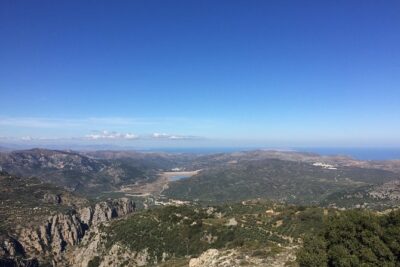 ★ 5.0Knossos-Zeus Cave -Old Traditional Villages-Olive Oil FactoryFrom $136694 reviews
 ★ 4.9Land Rover Safari with Sunset Viewing, Dinner, & WineFrom $99395 reviews
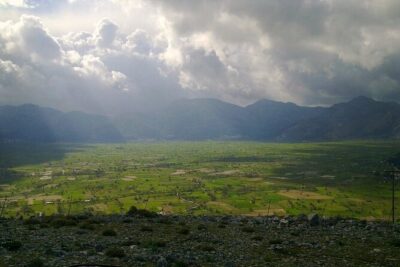 ★ 5.0Knossos & Lasithi Plateau: Zeus Cave,Villages, Olive Oil TourFrom $127328 reviews
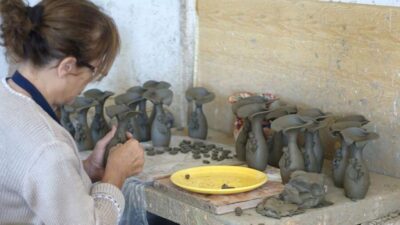 ★ 5.0Full-Day Cretan Wines, Olive Oil, Raki and Food TourFrom $141264 reviews
 ★ 5.0Heraklion SUV Private Guided Wine Tour with LunchFrom $272165 reviews
 ★ 4.8Dia Island Catamaran Cruise with Dinner and WineFrom $120147 reviews
 ★ 4.8Dia Island Romantic Sunset Cruise with WineFrom $86144 reviews
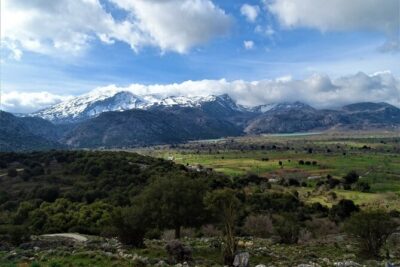 ★ 5.0Private Tour-Knossos Palace Zeus Cave Olive Oil Mill & WineFrom $151135 reviews
Browse the lists this tour appears in