
Reviewed · JEEP & 4X4 OFF-ROAD SAFARIS
Full-Day Jeep Safari Tour with Cooking Lesson
A jeep ride, a village kitchen, and craft you can keep. I like how this day mixes 4WD exploration with hands-on cooking, so you’re not just sightseeing. You’ll also get a proper lunch (with wine) and real food stops in places that feel local. One thing to plan for: it’s a long 8–9 hours, and the dirt-road riding can mean some jostling, plus a few stops can shift depending on conditions.
What makes it especially practical is the door-to-door pickup range across the Heraklion area and the fact the group stays small (up to 20). Guides such as Mario, Giannis, and Nikos are repeatedly praised for keeping the day energetic and well explained. If you’re thinking of booking, pack for sun and walking, because this is not a sit-and-glide tour.
In This Review
- Key Highlights Worth Booking
- A 4WD Jeep Day That Teaches You Cretan Food and Craft
- Price and What You Actually Get at $111.31
- Pickup and the Real Pace of an 8–9 Hour Safari
- Stop-by-Stop Route: From Potamies to Malia
- Potamies: Mitato Life, Cheese, Raki, and Flour
- Aposelemis Dam and the Submerged Village of Sfendili
- Avdou: Preserved Village Feel and Local Signage
- Ano Kera and the Ebassas Gorge: Herbs, Mountain Air, Views
- Windmills of the Lasithi Plateau: A Quick Photo Stop With Real Context
- Pinakiano: The Cooking Class Where Herbs Become Lunch
- Psychro: Pottery Workshop and Making Your Own Ceramics
- Plati: Plateau Tour and a Village Cafeteria Break
- Krasi: Wood-Oven Lunch, Wine, and the 2,000-Year Plane Tree
- Malia: Olive Oil Mill and an Export Lesson
- What You’ll Learn in the Cooking and Pottery Classes
- Small Risks to Plan For (Weather, Dirt Roads, and Route Swaps)
- Who This Tour Fits Best
- Should You Book Safari Experts Crete? My Bottom-Line Advice
- FAQ
- How long is the Jeep Safari Tour with Cooking Lesson?
- What time does the tour start in the morning?
- Is pickup offered from Heraklion and nearby areas?
- What vehicle is used for the 4WD safari?
- What’s included for food and drinks?
- Do you actually cook and make something?
- Where are the main village and culture stops during the day?
- Is the tour dependent on weather?
- How many people are in a group?
Key Highlights Worth Booking
- Real rural Cretan stops in villages instead of only big sights
- Included cooking and pottery classes with professionals, not demos only
- Windmills of Lasithi Plateau and the stone water history behind them
- Aposelemis Dam and Sfendili: a dramatic “old houses under water” moment
- Wood-oven lunch in Krasi with wine and a view-friendly pace
- Small-group feel (max 20) that helps you actually hear your guide
Off the tarmac, more 4x4 safaris leaving Heraklion
- 5Hour Safari Tour in Crete(Heraklion)with Quad,Jeep,Buggy & Lunch★ 5.0 · 941 reviews
- Quad Safari Off-Road Tour★ 5.0 · 479 reviews
- Crete: Land Rover Safari with Sunset Viewing, Dinner, & Wine★ 4.9 · 395 reviews
- From Heraklion: Quad Safari Wild Crete Evening Tour★ 5.0 · 149 reviews
A 4WD Jeep Day That Teaches You Cretan Food and Craft
This is the kind of day that makes you understand Crete through daily life, not just postcard views. You’ll bounce between villages, plateaus, and workshop stops—then sit down to eat what you’ve learned about. The structure matters: cooking comes with context (herbs, ingredients, and local products), and pottery is paired with a visit that helps you see why this craft fits the landscape and the people.
I also appreciate that the itinerary isn’t just a list of locations. It’s built around three themes that travel well:
- Food and ingredients (shepherd products, herbs, olive oil, wood-oven baking)
- Hands-on making (cooking class and pottery course)
- Local places with working culture (cafeteria break, village squares, family-run workshops)
You should still expect it to feel like a full-day adventure. The payoff is that you’ll leave with stories you can repeat and techniques you can picture, not just photos.
Price and What You Actually Get at $111.31
At about $111.31 per person for an 8–9 hour outing, the value comes from what’s included together:
- Door-to-door pickup and drop-off across a wide set of Heraklion-area locations
- 4WD vehicle transport (Landrover Defender or Mercedes Vito) plus fuel
- Lunch with wine and water included
- Cooking classes (45 minutes) with local professionals
- Pottery workshop experience (30 minutes) where you create ceramics
- Several guided culture and nature stops with free admission listed for each
If you’ve ever added up a private transfer, a single workshop, and a guided day in Crete, this price starts to make sense fast—because it bundles transport + two activity classes + a full meal in one plan.
The one caveat on value: because the route can be adjusted for safety or because some places may be closed seasonally, the “exact look” of the day can vary. Still, the heart of the experience—villages, food culture, and hands-on classes—stays the focus.
Pickup and the Real Pace of an 8–9 Hour Safari
This tour starts at 8:00 am, and pickup happens in a broad window. If you’re in the main pickup areas around Heraklion, Amoudara, Analipsis–Anissaras, Chersonissos–Piskopiano–Koutouloufari, Elounda, Agios Nikolaos, Gouves–Kokkini Hani, Malia, Sisi, Milatos, Stalis, the service runs roughly 7:45 am to 9:30 am. For other areas, you’ll be sent to a meeting point nearby.
In practice, you’ll spend a meaningful chunk of the day in the vehicle. That’s normal here, since you’re heading to rural villages and plateau viewpoints. The upside is that your guide fills the travel time with stories and explanations—people give this tour strong marks for keeping the whole day flowing. Guides including Mario and Giannis are specifically praised for pacing and energy.
Bring the right stuff and it becomes comfortable. The tour asks for:
- Walking shoes
- Sunscreen
- Hat and sunglasses
- Jacket
- Water
Also, consider that dirt-road sections can mean you’ll feel the bumps more if you’re seated in the back. If that matters to your body (or to your comfort), it helps to know you’re signing up for a safari-style ride.
Stop-by-Stop Route: From Potamies to Malia
Here’s how the day is shaped, and what each stop feels like. Think of it as a loop of rural culture, food lessons, and gradually widening views from mountain passes to plateau and back down to lunch and village life.
Hands in the dough? More Cretan cooking classes near Heraklion
Potamies: Mitato Life, Cheese, Raki, and Flour
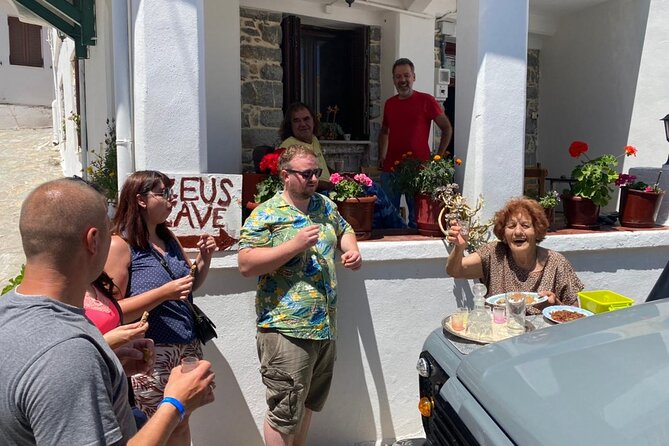
Your first big culture stop is Potamies, an authentic Cretan village. You’ll visit a traditional mitato (a traditional shepherd setting). This is where the food story starts in a hands-on way: you meet a local shepherd and see how goat milk turns into cheese. The stop also highlights traditional flour-making (described as herromily), so you get a sense of how staples were historically processed.
If you want the taste side, you can sample traditional products such as cheese, raki, and oil. This is one of those moments that helps cooking classes later make more sense, because you understand where ingredients originate.
Watch-out: this is a working-style farm visit, so plan on being present and attentive rather than treating it like a quick photo stop.
Aposelemis Dam and the Submerged Village of Sfendili
Next comes Aposelemis Dam, described as Crete’s largest water supply project. You’ll walk through village gardens with seasonal fruits and vegetables, then continue to see the dam’s effect on the area—especially the idea that the village of Sfendili sits submerged, with old houses fading on the water’s surface.
This stop is short on purpose. It’s mainly for perspective: you get a sense of how modern water infrastructure reshaped old settlements.
If you’re sensitive to heat, this part can still feel sunny because it’s meant for walking and wandering in outdoor garden areas—so your hat and water are your friends.
Avdou: Preserved Village Feel and Local Signage
You then continue to Avdou, presented as one of the most representative villages of Crete. The emphasis here is on the settlement itself: buildings are preserved, and there are signs describing how the village was shaped.
This is a good “slow down and look” stop. The value isn’t that you’ll rush through attractions—it’s that Avdou helps you picture how architecture and village layout reflect the way people lived.
Ano Kera and the Ebassas Gorge: Herbs, Mountain Air, Views
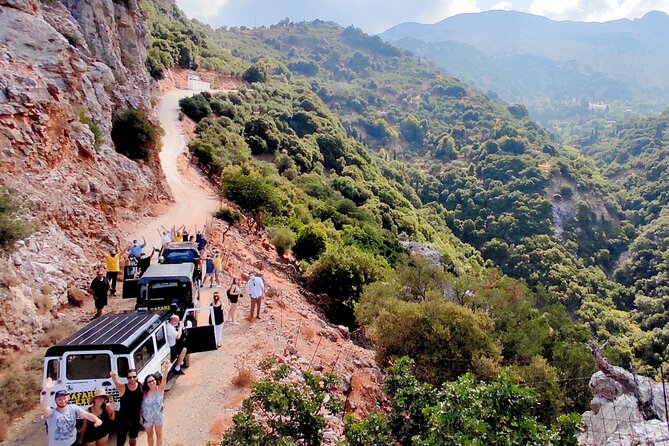
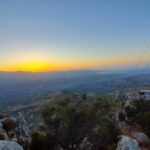
Now you start an ascent using dirt roads, passing through the Ebassas gorge. The reward is mountain scenery and a wilder feel to the landscape.
There’s also a small but memorable nature touch: at a short stop, your guide collects local herbs—listed as oregano, thyme, and sage—in a way that reflects how Cretans historically used plants.
This is the section where the safari vibe really shows up. Expect bouncier roads. It’s not unsafe, just part of the experience.
Windmills of the Lasithi Plateau: A Quick Photo Stop With Real Context
At the Windmills of Lasithi Plateau, you’ll see stone structures that once worked with white sails to draw water for irrigation. The description is dramatic: in its heyday, the plateau had over 10,000 windmills.
Time here is brief. Don’t expect a long museum-style explanation, but do expect a strong “aha” moment: you’re seeing a system that explains how people managed water on an agricultural plateau.
Pinakiano: The Cooking Class Where Herbs Become Lunch
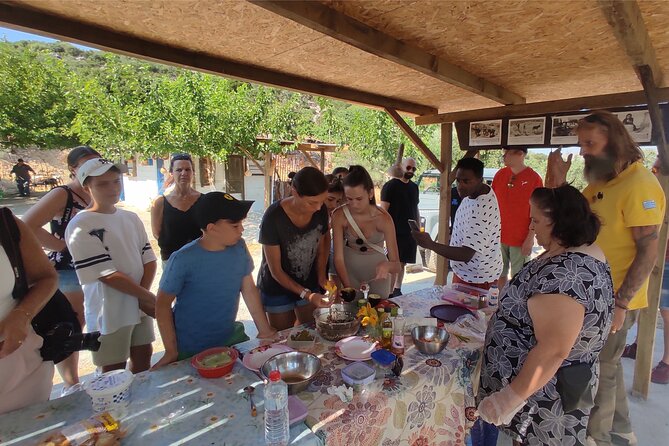
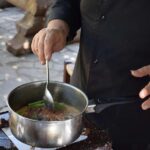
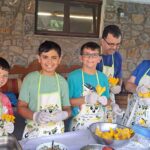
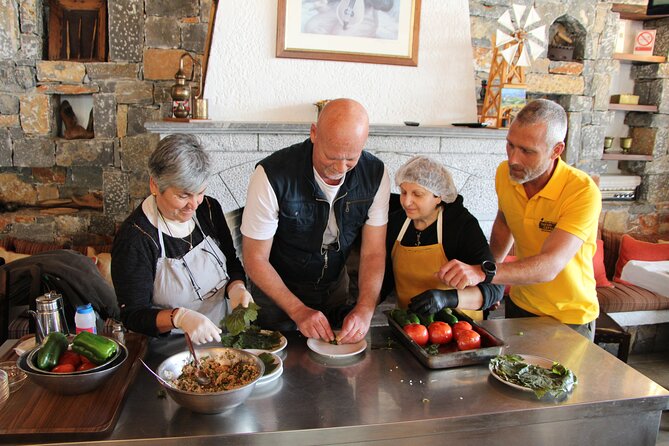
Then you shift into the main event: cooking. In Pinakiano, local professionals lead cooking classes with pure ingredients and local products. The session is 45 minutes, and you’ll get hands-on with the aroma-driven part of Cretan cooking—herbs, local flavors, and tasting what you create.
This stop is where the day pays off for food lovers. It’s not just “watch someone cook.” The format is built around you learning by doing, then later you’ll recognize flavors again at lunch in Krasi.
One practical note: you’ll likely want to keep small water sips going through the class, since it’s warm and active.
Psychro: Pottery Workshop and Making Your Own Ceramics
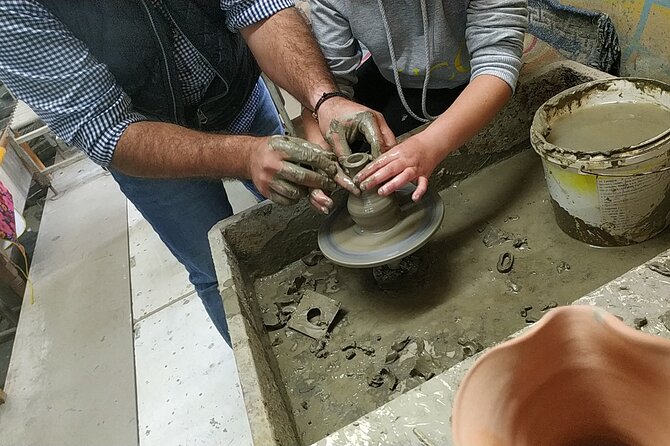
After cooking, you get a craft switch at Psychro: a pottery workshop plus a course where you create your own ceramics. The pottery time is listed as 30 minutes.
If you’ve done crafts elsewhere, you’ll know the difference between a demo and a real class. This is positioned as the second option, and it matches the rest of the day’s theme: you’re not being told about tradition only—you’re trying it.
Plati: Plateau Tour and a Village Cafeteria Break
Next is Plati, with time on the plateau and contact with its inhabitants. There’s also a stop at a local cafeteria, where optional coffee is available, plus time for a walk along old village allies.
This is a breather stop. The itinerary has a lot of moving parts, and this section helps reset before lunch and the final activity.
Krasi: Wood-Oven Lunch, Wine, and the 2,000-Year Plane Tree
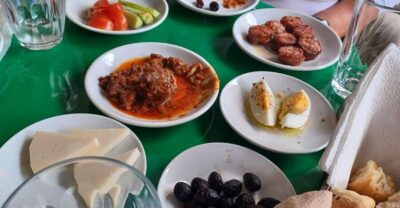
Lunch is a highlight here. In Krasi, you’ll enjoy food baked in a wood oven at a traditional restaurant. The stop lasts 1 hour 30 minutes, and wine is included with lunch (the broader tour includes lunch with wine and water).
After the meal, you visit the village square dominated by an 18th-century aqueduct and massive plane trees—including the oldest plane tree in Crete, described as over 2,000 years old.
This is a good moment to slow down. Your legs may feel it by now, but the plane-tree square and the aqueduct give you a payoff: you see age, water, and village life tied together in one view.
Malia: Olive Oil Mill and an Export Lesson
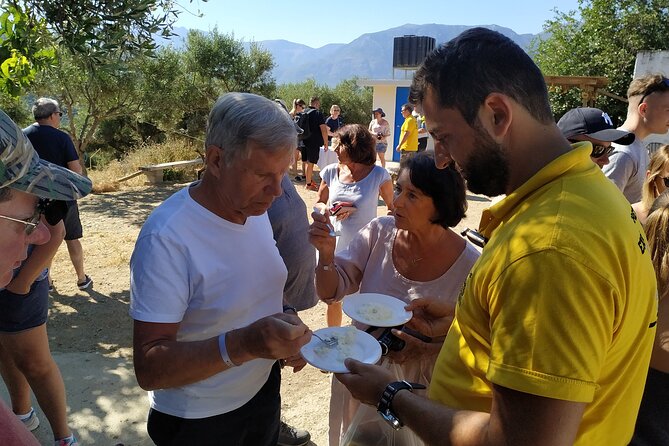
To finish, you head to Malia for a tour of an olive oil mill and a learning stop about how olive oil is exported. A small tasting follows.
This pairs nicely with everything earlier. You’ve already met shepherd food culture, tasted traditional products, learned herb roles, and then you end with olive oil—one of Crete’s biggest flavor pillars.
It’s a practical closer: it connects the local production side to how Crete’s products reach the wider world.
What You’ll Learn in the Cooking and Pottery Classes
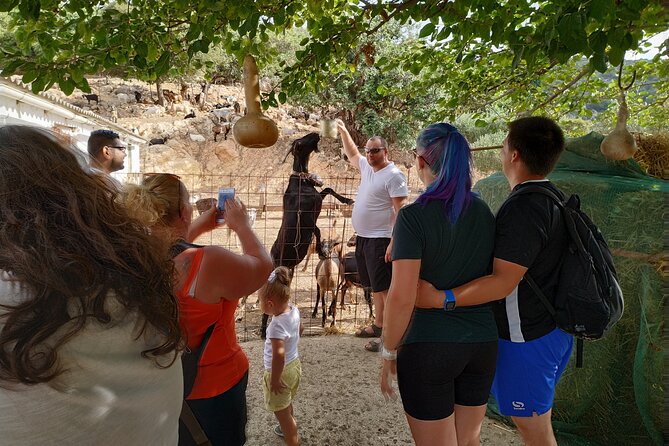
The two class stops are where this tour feels different from a typical “see the sights” day.
In the cooking class, you learn how herbs and local ingredients work together in real dishes—not just as theory. The structure matters: the tour sets you up with rural food context earlier (shepherd products, traditional processing ideas), so your hands-on session later lands better.
In the pottery workshop, the goal is creating your own ceramics. Even if you’re a beginner, you’re not just looking—you’re making. It’s a small souvenir that also acts like a memory trigger later, when you think about how everyday crafts used to be part of village life.
In both classes, what you’ll take away depends on the instructor and the group’s pace, but the intent is consistent: skills you can remember.
Small Risks to Plan For (Weather, Dirt Roads, and Route Swaps)
This experience needs good weather. If conditions are poor, you may be offered a different date or a full refund. That’s important in Crete during certain times of year, since dirt-road segments and outdoor stops are central to the tour.
Another real-world consideration: the operator can change routes or stops for safety reasons, and you may find some places closed due to seasonality or the day’s timing. The itinerary framework is still there, but don’t be surprised if the “exact” order flexes.
Finally, it’s not a light walking tour. You’ll be moving through villages and plateau areas, plus riding on dirt roads. If you have serious medical conditions, it’s not recommended.
On the comfort side, I’d also plan for vehicle time. Multiple guide-led groups talk about enjoying the day because guides keep everyone engaged, but the ride time is still real.
Who This Tour Fits Best
This is a strong match if you want:
- More than sightseeing: cooking + pottery are the heart
- Rural Crete instead of only big attractions
- A full day that still feels structured, with breaks and meal timing built in
- A guide-led experience where explanations help you connect the dots
It tends to suit couples, families, and adults because the day includes interactive moments, short village walks, and food experiences. If you’re traveling with kids, the tour mentions child seats are available when requested during booking.
It may not suit you as well if you:
- Want minimal driving and mostly flat, gentle walking
- Have mobility limits or serious medical concerns
- Get carsick easily on rough roads
Should You Book Safari Experts Crete? My Bottom-Line Advice
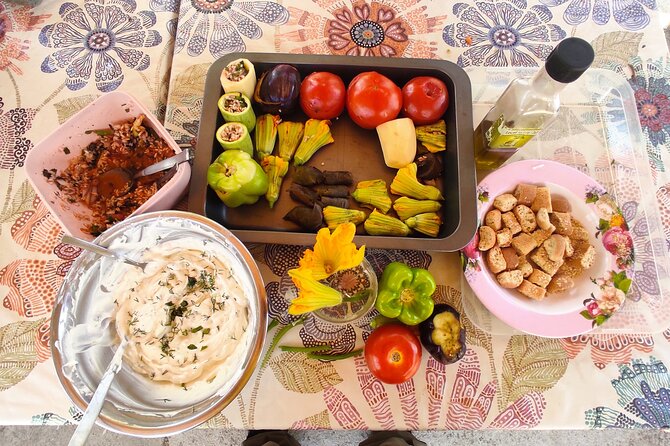
I’d book this tour if you’re looking for a value-packed, hands-on Crete day that blends off-the-beaten-path villages with real food culture and maker activities. The strongest selling point is the combination: 4WD rural routes + cooking class + pottery workshop + lunch with wine.
If your priorities are only famous monuments and short walks, you might want a different style of tour. But if you want to leave Crete feeling like you understand how people lived, cooked, and made things, this one is hard to beat.
If you do book, pack for heat and sun, and be ready for a safari-style ride. The day is long, but the pacing and variety are built to keep it from feeling repetitive.
FAQ
How long is the Jeep Safari Tour with Cooking Lesson?
The tour runs about 8 to 9 hours.
What time does the tour start in the morning?
Start time is 8:00 am.
Is pickup offered from Heraklion and nearby areas?
Yes. Pickup is included from a wide range of locations around Heraklion, with pickup typically between 7:45 am and 9:30 am in the listed main areas. Other locations use a nearby meeting point.
What vehicle is used for the 4WD safari?
The tour uses a 4WD Landrover Defender or a Mercedes Vito, plus fuel is included.
What’s included for food and drinks?
Lunch is included with wine and water.
Do you actually cook and make something?
Yes. You take a cooking class (45 minutes) and also do a pottery class where you create your own ceramics (30 minutes).
Where are the main village and culture stops during the day?
The itinerary includes stops such as Potamies (mitato and shepherd products), Aposelemis Dam, Avdou, Ano Kera, Windmills of Lasithi Plateau, Pinakiano (cooking), Psychro (pottery), Plati, Krasi (wood-oven lunch and plane tree), and Malia (olive oil mill).
Is the tour dependent on weather?
Yes. It requires good weather; if it’s canceled due to poor weather, you’ll be offered a different date or a full refund.
How many people are in a group?
The tour has a maximum of 20 travelers.
More Tour Reviews in Heraklion
- Heraklion: Dia Island Sailboat Cruise with Swimming and Meal
★ 4.8 · 2,579 reviews - Heraklion Area: CRETAquarium Admission Ticket
★ 4.4 · 2,055 reviews - Crete: Palace of Knossos E-Ticket and Audio Guide
★ 3.8 · 1,540 reviews - Crete: Sunset or Morning Quad with Local Products Tasting
★ 4.9 · 1,135 reviews - 5Hour Safari Tour in Crete(Heraklion)with Quad,Jeep,Buggy & Lunch
★ 5.0 · 941 reviews
Back in the Kitchen: More Classes
- Crete: Olive Oil, Soap, Wine, Raki – Flavorful Culinary Journey
★ 5.0 · 119 reviews - Crete: Olive, Wine, & Raki on a Flavorful Culinary Journey
★ 4.7 · 56 reviews - Heraklion Private Cretan Cooking Class at a Traditional Village
★ 4.5 · 11 reviews - Cretan Flavors – Cooking Lessons and Wine Olive Oil Tasting
★ 5.0 · 9 reviews - Truffle Hunting, Culinary & Wine Celebration from Heraklion
★ 5.0 · 6 reviews
More 4x4 Off-Road Days
- 5Hour Safari Tour in Crete(Heraklion)with Quad,Jeep,Buggy & Lunch
★ 5.0 · 941 reviews - Quad Safari Off-Road Tour
★ 5.0 · 479 reviews - Crete: Land Rover Safari with Sunset Viewing, Dinner, & Wine
★ 4.9 · 395 reviews - From Heraklion: Quad Safari Wild Crete Evening Tour
★ 5.0 · 149 reviews - From Heraklion: Quad Safari Wild Crete Day Tour
★ 4.8 · 148 reviews
Not quite it? Keep exploring what there is to do around Heraklion

Jeep & 4x4 Off-Road Safaris, compared.
 ★ 5.05Hour Safari Tour in Crete(Heraklion)with Quad,Jeep,Buggy & LunchFrom $107941 reviews
 ★ 4.9Off-Road Quad Safari with Lunch/DinnerFrom $82664 reviews
 ★ 4.8Quad Off-Road Tour to Villages with Hotel TransfersFrom $67557 reviews
 ★ 5.0Quad Safari Off-Road TourFrom $99479 reviews
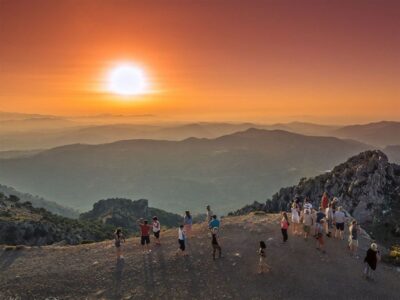 ★ 4.9Land Rover Safari with Sunset Viewing, Dinner, & WineFrom $99395 reviews
 ★ 4.8Quad Safari with Monastery, Malia Palace and LunchFrom $93232 reviews
 ★ 5.0Quad Safari Wild Crete Evening TourFrom $89149 reviews
 ★ 4.8Quad Safari Wild Crete Day TourFrom $99148 reviews
Browse the lists this tour appears in